What Is Gum Graft Surgery
Wondering what is gum graft surgery? Learn the process, recovery, and costs from Dental Professionals of Fair Lawn, NJ. Contact us today.
Wondering what is gum graft surgery? Learn the process, recovery, and costs from Dental Professionals of Fair Lawn, NJ. Contact us today.
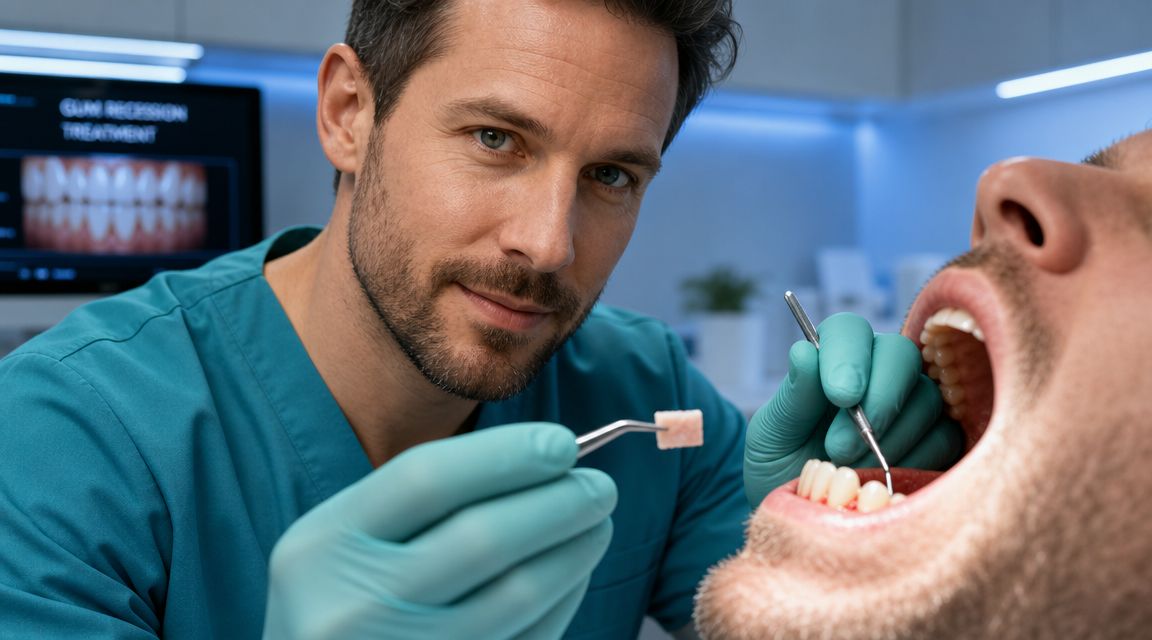
If you've recently noticed that one tooth feels sharp when cold water touches it, or that your teeth suddenly look a little longer in the mirror, it's understandable to feel uneasy. Gum recession often appears subtly. Then one day it starts affecting comfort, confidence, or both.
Many patients in Fair Lawn, Ridgewood, and Glen Rock first come in with the same question. They don't ask about surgery right away. They ask why one area feels sensitive, why the gumline looks uneven, or whether they're headed toward a more serious problem. Those are smart questions. Receding gums can be managed, and in the right situation, gum grafting is a very reliable way to protect a tooth and restore a healthier gumline.
At Dental Professionals of Fair Lawn, Dr. Jody Bardash and the team understand that the phrase gum graft surgery can sound intimidating before you know what it involves. Patients who already feel nervous about dental treatment often assume the process will be painful, complicated, or hard to recover from. In practice, the experience is usually far more manageable than people expect, especially when the diagnosis is clear, the plan is personalized, and comfort options like sedation dentistry are available.
This guide is meant for the patient who wants direct answers. Addressing what gum graft surgery is, why it's recommended, and what your visit in Fair Lawn may look like, the goal is simple. Replace uncertainty with a plan you can feel good about.
A common story starts like this. A patient brushes as usual, looks in the mirror, and notices one front tooth seems longer than it used to. Another patient realizes iced coffee suddenly causes a quick zing near the gumline. Someone else is told during a cleaning that the gum around a lower tooth has pulled back.
Those moments can create a lot of anxiety because gum recession feels visible and personal. It changes the way your smile looks, but it also raises bigger concerns. People worry about losing teeth, needing extensive treatment, or living with constant sensitivity.
Gum recession doesn't always hurt at the beginning, which is one reason people delay getting it checked. The early signs are often subtle:
In many cases, the recession has been developing gradually. The good news is that once the cause is identified, treatment can focus on both protection and appearance.
Many patients feel relieved once they learn that gum grafting isn't about making things look perfect. It's about protecting exposed roots before they become a bigger problem.
A receding gumline isn't one-size-fits-all. One patient may have recession from brushing too hard. Another may have tissue that was naturally thin to begin with. Someone else may be dealing with changes linked to periodontal disease, bite stress, or tooth position.
That is why a hands-on exam matters. A careful evaluation helps determine whether the area needs monitoring, non-surgical periodontal care, or a graft to rebuild protection around the tooth. For anxious patients, that first conversation is often the turning point. Once the problem is explained in plain language, the next step feels much less overwhelming.
A receding gumline changes more than appearance. It removes the tissue that helps shield the root, and that can make an otherwise healthy tooth feel sensitive, harder to clean, and less protected over time.

Gum recession means the edge of the gum tissue has moved lower on the tooth, exposing part of the root surface. Roots do not have the same protective enamel covering as the visible part of the tooth, so they tend to be more reactive to cold, brushing, and plaque buildup.
The pattern matters. One isolated area may point to brushing pressure, bite stress, or tooth position. Recession around several teeth can suggest a broader issue with gum health, tissue thickness, or home care habits.
If you want a clearer explanation of the common triggers, this guide on what causes gum recession explains the reasons we see most often in practice.
Recession usually has more than one cause. In Fair Lawn patients, the most common factors include:
This is one reason a proper exam matters. Treating the visible recession without identifying the cause can leave the area vulnerable again later.
Untreated recession can lead to several problems at once. The exposed root may become sensitive. It can collect plaque more easily near the gumline. It is also more prone to wear and root decay than enamel.
Over time, some patients also notice that brushing becomes uncomfortable, so they clean the area less thoroughly. That creates another problem. Inflammation builds, the tissue becomes more irritated, and keeping the tooth stable gets harder.
Practical rule: If one tooth is getting more sensitive, looks longer than it used to, or feels difficult to brush comfortably, it is worth having it checked before the root becomes harder to protect.
At Dental Professionals of Fair Lawn, this part of the visit is often where anxiety starts to settle. Once patients can see the recession on imaging, hear what is causing it, and understand the options clearly, the situation usually feels more manageable. Early treatment does not just improve comfort. It often gives us simpler, more predictable ways to protect your smile.
So what is gum graft surgery in practical terms? It's a periodontal procedure used to cover exposed tooth roots and rebuild the gumline where tissue has been lost. The goal isn't just to add tissue. The goal is to create a healthier seal around the tooth so the root has better protection going forward.
For the right patient, this is one of the clearest ways to stop a vulnerable area from staying vulnerable. It can also improve symmetry when recession has changed the look of the smile.

When a graft is recommended, the purpose is usually one or more of these:
| Purpose | What it helps with |
|---|---|
| Covering the root | Reduces exposure and improves comfort |
| Thickening thin tissue | Gives the area more resilience |
| Slowing further recession | Improves long-term protection |
| Refining the gumline | Supports a more balanced appearance |
Not every recessed tooth needs the same surgical approach. The thickness of your existing gum tissue, the location of the recession, and the amount of root exposure all influence the recommendation.
Dentists and periodontists use a few established approaches, and each has a different role.
This is often chosen when the goal is root coverage with a natural look and strong long-term protection. It uses tissue placed in a way that helps blend with the surrounding gumline. In everyday terms, this is the option many patients are thinking of when they ask about traditional gum grafting.
This approach is often used when the main need is more gum thickness rather than just cosmetic root coverage. It can be useful in areas where the tissue is especially thin and needs reinforcement.
A pedicle graft uses nearby gum tissue from the same area when there is enough healthy tissue adjacent to the recession. Because it relies on local tissue, it can work well in select cases, but it isn't appropriate for every patient.
The best graft isn't the most complex one. It's the one that matches the anatomy of the tooth, the thickness of the tissue, and the long-term goal for that site.
When recession is related to underlying gum disease, stabilizing that condition comes first. Patients who need that type of care may also benefit from learning how periodontal disease treatment fits into the overall plan before grafting is considered.
A patient will often tell me the same thing at this stage: "I can live with how it looks. I just want the tooth to stop feeling exposed." That concern is real, and it is often the first benefit patients notice after treatment. The longer-term value is that a graft strengthens an area that has been left vulnerable.
To see the big-picture benefits at a glance, this visual sums them up well.

The day-to-day improvements are often straightforward. Cold drinks bother the tooth less. Brushing feels easier. The area no longer catches your attention every time you eat or smile.
A graft can also give the root surface better coverage and improve the thickness of the tissue around that tooth. That matters because thin, receded gums do not protect the tooth the way healthy attached tissue does. In the right case, treatment supports both comfort and stability.
Patients also care about how the gumline looks, and they should. A fuller, more even gumline can make one tooth stop standing out. That cosmetic benefit is not separate from health. In many cases, the healthier result is also the better-looking one.
Gum grafting is a well-established periodontal procedure with a strong record of success when the treatment matches the anatomy and the cause of the recession has been addressed. The goal is not to promise perfection in every case. The goal is to create healthier, thicker tissue that holds up well over time.
That distinction helps anxious patients. Some sites can achieve excellent root coverage. Others improve because the tissue becomes stronger and less likely to keep receding, even if complete coverage is not the right expectation. Clear planning matters.
Later in the process, many patients also appreciate seeing a clear explanation from another format. This short video can make the procedure feel more familiar before a consultation.
One of the reasons I recommend grafting with confidence, when it is appropriate, is that it is both corrective and preventive. It treats the recession that is already affecting the tooth and reduces the chance that the same weak area keeps causing problems later. At Dental Professionals of Fair Lawn, that conversation is never rushed. Patients do better when they understand the benefit, the limits, and how we keep the experience as comfortable as possible.
A gum graft can protect a vulnerable tooth, reduce daily discomfort, and give patients back the sense that their smile is stable again.
For many patients, the hardest part is not the procedure itself. It's the uncertainty before the first appointment. Knowing what the visit feels like, what questions get answered, and how comfort is handled tends to lower anxiety quickly.
Here is a look at the office environment patients associate with that first step.

The appointment usually begins with a focused exam of the gums, teeth, and the specific area that's bothering you. Dr. Bardash looks at how much recession is present, whether the tissue is thin, whether there are signs of inflammation, and whether the bite or tooth position may be contributing.
Patients often come in worried that every recessed area means surgery. That's not always the case. Sometimes the recommendation is monitoring, changes in brushing technique, a periodontal cleaning plan, or treatment to reduce the factors driving the recession. When a graft is the right answer, the reason should be clear and easy to understand.
If surgery is recommended, the conversation usually shifts from "Do I need this?" to "How comfortable will this be?" That's an important question, especially for anxious patients and anyone who's had difficult dental experiences before.
At this point, one practical option patients may discuss is care through Dental Professionals of Fair Lawn, where sedation dentistry is available for people who want help staying calm and comfortable during more involved treatment. The office also uses modern diagnostic and treatment technology to support precise planning, which can make the experience feel more controlled and less stressful.
A patient from Glen Rock may mainly want to know if they'll be able to relax. A patient from Ridgewood may want details about healing and follow-up. Both concerns are valid. The right visit addresses both comfort and clinical clarity.
On the day of treatment, patients can expect the area to be numbed thoroughly and the team to review post-op instructions before they leave. The pace is deliberate, not rushed. That matters because anxious patients do better when they know what's happening next.
A few things usually help most:
Most patients don't need more bravery. They need a plan, a calm environment, and a team that doesn't minimize their anxiety.
Recovery and cost usually matter just as much as the procedure itself. Patients want to know how long they will need to take it easy, what healing feels like day to day, and whether treatment will fit their budget. Those are reasonable questions, and they deserve clear answers before you decide anything.

According to this review of gum graft costs and recovery, the typical cost is $600 to $3,000 per tooth, and the initial healing phase is often 1 to 2 weeks. That early window is usually the part patients plan around for softer foods, careful brushing, and a lighter routine if the treated area feels tender.
Full healing can continue after that first stage. The goal during the first week or two is simple. Protect the graft so it can attach and mature without unnecessary irritation.
Small choices at home make a real difference.
I often remind anxious patients that good healing is usually quiet healing. The less you disturb the area, the easier recovery tends to be.
At Dental Professionals of Fair Lawn, patients also benefit from practical systems outside the operatory. Clear follow-up communication matters after surgery, and secure HIPAA compliant appointment reminders are one example of how healthcare practices can keep instructions and scheduling organized while protecting patient privacy.
The final fee depends on the number of teeth involved, how severe the recession is, and which grafting method fits the case. Insurance sometimes contributes when recession is causing root exposure, sensitivity, or other health concerns, so a benefits review before treatment is time well spent.
Cost should be weighed against what happens if recession keeps progressing. Exposed roots are more likely to stay sensitive, collect plaque more easily, and become harder to protect over time. In many cases, treating the problem earlier is the simpler and less costly choice than waiting for more damage.
If your teeth look longer than they used to, one area feels sensitive near the gumline, or you've been told that your gums are pulling back, you're already seeing the signs that it's time for a closer look. The right candidate for gum grafting isn't someone chasing a perfect smile. It's someone who wants to protect exposed roots, reduce discomfort, and keep a small problem from becoming a larger one.
For patients in Fair Lawn, Ridgewood, and Glen Rock, a consultation can answer the questions that internet searches can't. Is the recession active or stable? Does it need a graft, or is another treatment more appropriate? What will healing look like in your specific case? Those are personal answers, not generic ones.
Many anxious patients feel better once they know the process is organized before they even arrive. If you're someone who values timely communication before and after visits, it may also be helpful to understand how secure HIPAA compliant appointment reminders support private, clear scheduling communication in healthcare settings.
A one-on-one visit gives you something more useful than general advice. It gives you an actual diagnosis, a personalized plan, and a chance to discuss comfort options if dental treatment makes you nervous. That combination often turns hesitation into relief.
Gum recession usually doesn't become less concerning once you've noticed it. Most patients feel better after they stop wondering and start getting answers. Even if the recommendation is conservative, you'll know where you stand and what to watch.
If you're looking for a dentist in Fair Lawn, NJ who can evaluate gum recession alongside broader needs like cosmetic dentistry, restorative dentistry, emergency dentist concerns, tooth extraction planning, Invisalign questions, or even future dental implants near me searches, this is the kind of visit that helps connect today's symptom with your long-term oral health.
If you're ready to stop guessing about your gums, schedule a consultation with Dental Professionals of Fair Lawn. A personalized exam can clarify whether gum graft surgery is the right next step, explain your comfort options, and help you move toward a healthier, more confident smile.