Does Milk Cause Cavities? Find Out Now
Does milk cause cavities? Our Fair Lawn family dentists explain risks & benefits for teeth. Learn prevention & book a pediatric exam.
Does milk cause cavities? Our Fair Lawn family dentists explain risks & benefits for teeth. Learn prevention & book a pediatric exam.
You pour your child a glass of milk and pause for a second. One article says milk is good for teeth. Another warns that sugar causes cavities. Then you look at your toddler’s bedtime routine, or your older child’s chocolate milk habit, and the question gets more stressful than it should be.
That confusion is common. Parents in Fair Lawn, Ridgewood, and Glen Rock ask some version of the same thing all the time: does milk cause cavities, or is it helpful? The short answer is that plain milk and milk habits are not the same thing. That’s where most of the confusion starts.
A lot of families end up here after a very ordinary moment. Breakfast is over, a lunchbox is half-packed, and someone in the kitchen asks whether milk is okay for teeth. It sounds like a simple question, but it brings up real worries about cavities, bedtime bottles, and whether a “healthy” drink can still create problems.

Parents usually aren’t asking because they’re careless. They’re asking because they’re paying attention. They want to make smart choices before a small issue turns into a filling, tooth pain, or an unexpected visit to an emergency dentist in Fair Lawn, NJ.
Milk contains a natural sugar called lactose. That’s enough to make many parents think milk must work like juice or soda. But teeth don’t respond to every drink the same way, and the details matter.
The better question is this: What kind of milk is it, how is it being consumed, and when is it touching the teeth?
That distinction matters for babies, toddlers, teens with Invisalign, and adults trying to avoid restorative dental care later on.
Many cavity problems linked to milk come from the pattern of use, not from plain milk at the table.
You don’t need a chemistry lecture. You need practical guidance you can use tonight. Should plain milk go in a lunch? Is a bedtime bottle a problem? Are plant-based milks safer? Does chocolate milk undo the benefits?
Those are the questions that matter in real life. And if you’re searching for a dentist near me, a dentist in Fair Lawn, NJ, or a trusted office for family dental care, it helps to understand the science in plain English before you make day-to-day decisions.
A lot of parents are surprised to hear this, but plain cow’s milk is generally considered low risk for cavities and may even help protect teeth, according to this pediatric dental review of milk and children’s teeth. The confusion usually starts with one true fact. Milk contains lactose, which is a natural sugar.
The part that often gets missed is that milk is more than sugar. It also carries proteins and minerals that interact with teeth in a different way than sweetened drinks do. That is why a glass of plain milk with dinner does not behave like soda, juice, or a sports drink.
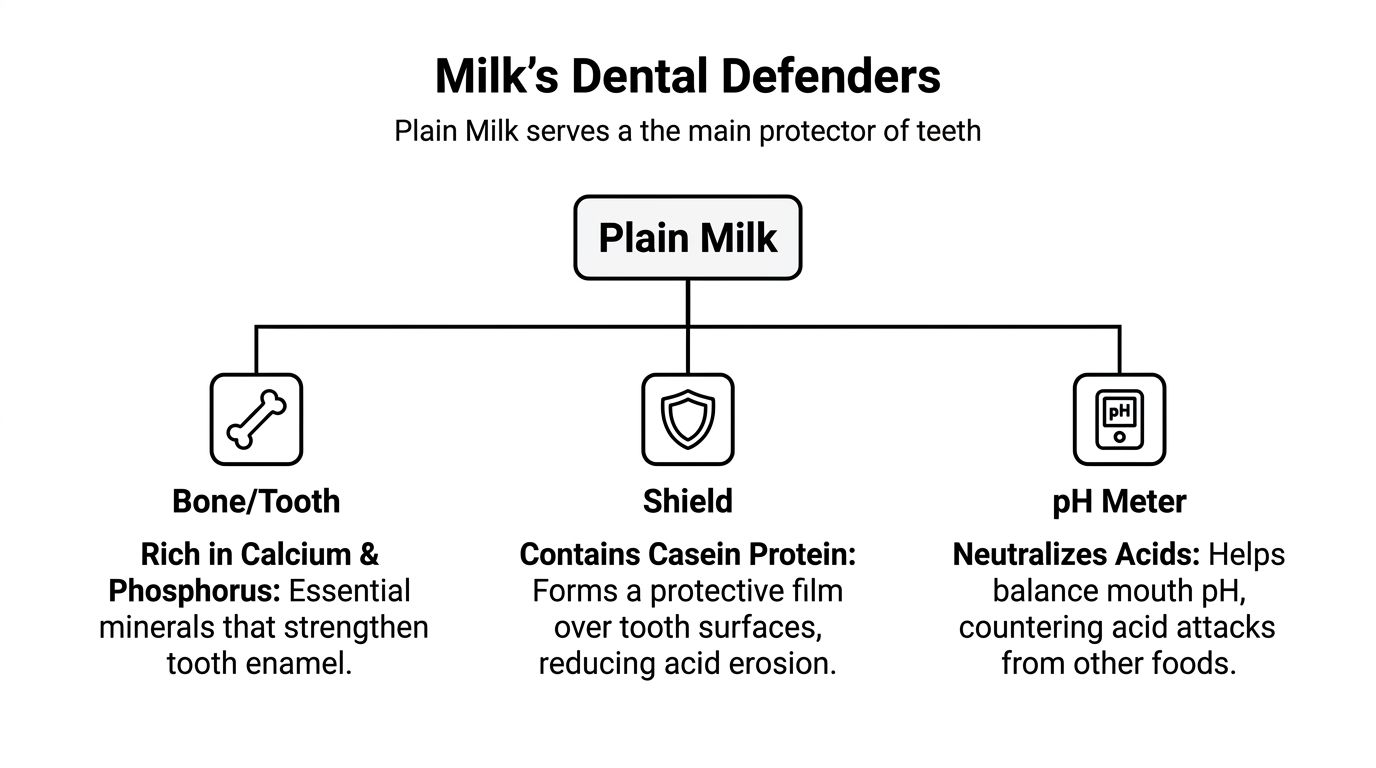
Milk contains casein and related milk proteins that can help shield enamel. The same review explains that these proteins are associated with less demineralization, better remineralization, and reduced bacterial attachment to the tooth surface.
A simple way to picture it is this. Plain milk arrives with some building materials and some protective helpers at the same time. Instead of feeding an acid attack the way sugary drinks often do, it creates a much less harmful setting in the mouth.
Here is the practical takeaway:
Parents often hear a simple rule like “sugar causes cavities,” and then milk gets lumped in with everything else. Teeth are a little more complicated than that. Cavity risk depends on how much acid a drink helps create, how long it stays around the teeth, and whether the drink brings anything protective with it.
The same review noted that plain milk causes a much smaller drop in plaque acidity than sugar solutions. That matters because enamel starts to weaken during repeated acid attacks.
So the right takeaway is not “milk has sugar, so milk is bad for teeth.” The better takeaway is that plain milk has lactose, but its full makeup is much gentler on teeth than drinks with added sugars.
For many families in Fair Lawn, Ridgewood, and Glen Rock, this is the point where the question becomes easier. If your child drinks plain milk with a meal, you usually do not need to treat that choice like a cavity risk on the level of sweetened beverages. The same review also described an association between higher plain milk intake in young children and a lower risk of caries.
Milk still is not a substitute for daily brushing, flossing, and regular dental visits. It is one part of the picture.
That distinction matters in a real family routine. A child having plain milk at breakfast is one situation. Long exposure, frequent sipping, and sweetened versions are different situations entirely. If you want help applying that science to your own child’s habits, Dr. Bardash’s team at Dental Professionals of Fair Lawn can walk you through it in plain English and help you build a routine that fits your family.
A parent in Fair Lawn might hear that plain milk is gentler on teeth, then wonder why a dentist still asks about bedtime bottles and all-day sippy cups. The reason is simple. Cavity risk is not only about what a child drinks. It is also about how long teeth stay bathed in that drink.
The clearest example is baby bottle tooth decay. Nationwide Children’s guidance on milk and cavities explains that milk becomes more concerning when it stays on the teeth for extended periods, especially during sleep, when the mouth has less natural protection.
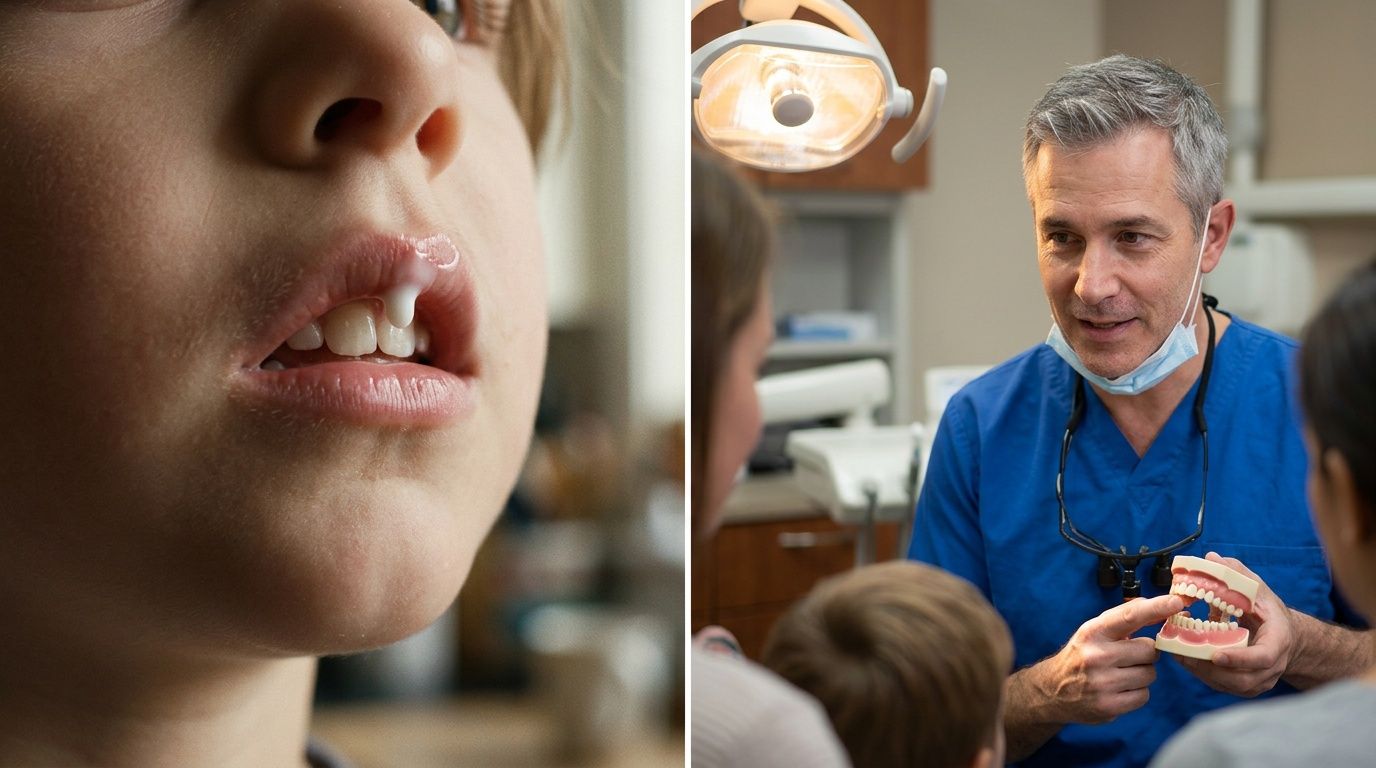
Saliva works like the mouth’s rinse cycle. During the day, it helps clear liquid away and supports enamel repair. At night, saliva flow drops. If a child falls asleep with a bottle, milk can sit around the upper front teeth for hours.
That is a very different pattern from drinking milk at breakfast and then going on with the day.
A few habits raise concern more than the milk itself:
Parents sometimes hear that plain milk is less likely to cause decay than sugary drinks and assume it is harmless in every setting. The better way to look at it is this: normal mealtime use and prolonged exposure are two different situations.
A quick glass of milk with dinner gives the teeth a limited exposure. A bottle in bed keeps that exposure going. In dentistry, time matters because oral bacteria do not need a dramatic event. They do more damage through repeated, lingering opportunities.
This is also why pediatric dentists ask detailed routine questions. We are not trying to make family life harder. We are trying to spot patterns that subtly increase risk before a small white spot turns into a cavity.
The same article also explains that flavored milks with added sugars are more cariogenic than plain milk. Many plant-based milk alternatives are sweetened too, which can make them tougher on teeth than parents expect.
That label can be misleading. Two cartons may both say “milk,” but one behaves more like a snack drink than a simple mealtime beverage.
For families trying to cut dairy, snacks matter too. Pairing water with teeth-friendly options, such as delicious dairy-free snack bars, is usually a better habit than frequent sipping of sweetened drinks between meals.
If you are unsure whether your child’s milk routine is low risk or a setup for decay, that is the kind of practical question Dr. Bardash’s team helps answer every day for families in Fair Lawn, Ridgewood, and Glen Rock. A few small routine changes at home can make a real difference.
A parent in Fair Lawn can stand in front of the dairy case and see six products that all look like they belong in the same category. For teeth, they do not behave the same way.
One carton is plain milk. Another is chocolate milk with added sugar. A third is an oat drink that sounds healthy but is sweetened. The front label can make them seem interchangeable, but your child’s teeth experience them very differently.
| Beverage Type | Typical Added Sugar (per 8oz) | Cavity Risk Level | Protective Nutrients |
|---|---|---|---|
| Plain cow’s milk | None in plain versions | Lower risk in normal mealtime use | Casein and other naturally protective milk components |
| Chocolate milk | Varies by product, often includes added sugar | Higher risk | Some dairy nutrients, but added sugar changes the dental picture |
| Strawberry milk | Varies by product, often includes added sugar | Higher risk | Some dairy nutrients, but added sugar changes the dental picture |
| Sweetened soy beverage | Varies by product | Higher risk | Depends on formulation, but dental protection is not equivalent to plain cow’s milk |
| Sweetened almond beverage | Varies by product | Higher risk | Depends on formulation |
| Sweetened oat beverage | Varies by product | Higher risk | Depends on formulation |
The first thing to check is added sugar.
Teeth do not care whether sweetness comes in a bright chocolate carton or a plant-based drink with a health-focused label. If sugar has been added, cavity risk usually goes up. Plain milk starts with a different profile because it contains natural milk sugars along with minerals and proteins that are less aggressive on enamel in normal use.
A good shopping shortcut helps. Compare two cartons side by side and skip the one with added sugar if your goal is better cavity prevention at home.
Some children need dairy-free options because of allergy, sensitivity, or family preference. That can still work well for oral health, but it calls for closer label reading. Many plant-based drinks are sweetened, and some are better treated like occasional flavored beverages than everyday stand-ins for plain milk.
Snacks matter here too. If your child follows a dairy-free routine, these delicious dairy-free snack bars can be a useful option alongside water, careful drink choices, and regular brushing.
If your child drinks flavored milk or sweetened alternatives often, extra prevention can help protect enamel before small changes turn into bigger treatment needs. For some families, that includes asking about fluoride treatments for kids and adults during routine visits.
Families in Fair Lawn, Ridgewood, and Glen Rock often bring this exact shopping question to Dental Professionals of Fair Lawn. Dr. Bardash’s team can review what your child drinks each day and help you choose options that fit your routine, your health needs, and your child’s smile.
It usually happens during an ordinary day. A child drinks milk in the car after school, gets home tired, and dinner, homework, and bedtime take over. Parents are left wondering whether that one healthy choice somehow turned into a dental problem.
The reassuring answer is usually no. For everyday family life, plain milk is usually a reasonable drink choice. The bigger issue is how often it touches the teeth, how long it sits there, and whether it is part of a meal or stretched out across the day.

A simple way to picture it helps. Teeth handle drinks better in short, predictable windows, much like a kitchen counter is easier to clean after one meal than after constant snacking all afternoon. The goal is not to fear milk. The goal is to limit long, repeated exposure.
Small routines matter more than perfect routines.
Real life is busy. If your child finishes milk at school pickup, after practice, or on the way to an activity, a rinse with water is a smart backup step. It helps clear the mouth until brushing can happen later.
A good rule is easy to remember. The longer a drink stays on the teeth, the more cleanup matters.
If your child tends to get cavities easily, ask your dentist whether fluoride treatments for children and adults would add another layer of protection.
A short visual can make these routines easier to remember:
Different ages need different guardrails.
Families in Fair Lawn, Ridgewood, and Glen Rock often want advice that fits their real schedule, not an ideal one. Dr. Bardash and the team at Dental Professionals of Fair Lawn can help you look at your child’s actual habits, from sports practices to bedtime routines, and turn general dental advice into a plan that works at home. If decay does start, catching it early usually makes treatment simpler and easier for everyone.
Parents often start with one question about milk and end up realizing they want a complete plan for their family’s oral health. That makes sense. Beverage choices are only one part of the bigger picture.
A good family dental office helps you connect the dots between prevention, early diagnosis, and treatment. That includes pediatric visits, cleaning and exams, dental x-rays when appropriate, cavity monitoring, and guidance that matches your child’s age and habits.

A thoughtful dental visit should feel calm and practical, not rushed. Parents should leave knowing:
That kind of guidance matters for more than toddlers. School-age children, teens in orthodontic care, and adults all benefit from preventive advice that fits real routines.
Sometimes a family comes in asking about milk and discovers a different issue. It may be hidden decay between teeth, a child who needs extra cavity prevention, or an adult who has delayed treatment because of dental anxiety.
That’s why complete care matters. In one office, patients may need preventive visits, cosmetic dentistry, restorative dentistry, emergency dentist care, Invisalign consultations, or even treatment planning for dental implants near me later in life.
For parents dealing with early childhood concerns, this guide to cavities in toddler teeth and what parents should know is also worth reviewing before a visit.
Good family dentistry doesn’t just treat decay. It helps families prevent the next problem.
A strong local office should also be ready for everyday issues families face in Bergen County, including anxious children, busy schedules, cosmetic goals like teeth whitening, and adult restorative needs that range from a simple filling to more advanced treatment.
Milk doesn’t have to be a mystery. For most families, the takeaway is simple: plain milk is usually not the problem, but poor habits around milk can raise cavity risk. When you pair better drink habits with regular dental care, you give your family a much better chance of avoiding preventable decay.
If you’ve been searching for a dentist near me, a dentist in Fair Lawn, NJ, or a trusted office for your child’s next checkup, now is a good time to schedule. Staying on top of cleanings, exams, and early cavity checks is easier when appointments don’t slip through the cracks. If your household needs a better system, these essential dental appointment reminder templates can help keep everyone organized.
Yes. According to this discussion of oral development and feeding patterns, human breast milk is protective because it has a neutral pH and contains lactoferrin, which kills S. mutans. The same source notes that bovine milk’s lactose can fuel acid-producing bacteria if it’s sipped frequently, especially at night when saliva flow is low.
If teeth have erupted, it’s wise to reduce or stop nighttime milk exposure and transition away from extended bottle use. Nighttime is a concern because saliva flow is lower, so liquids can remain on the teeth longer. A cup with meals is a better long-term routine than a bottle used for sleep.
Yes. Flavored milk contains added sugars, which makes it more cavity-friendly than plain milk. If your child has flavored milk, it’s better to keep it with a meal rather than allowing frequent sipping.
No. Many plant-based alternatives contain added sugars. From a cavity standpoint, “plant-based” does not automatically mean “better for teeth.” Checking for added sugar is one of the most important label-reading habits.
Try not to panic. Cavities are common, and treatment depends on how early the problem is found. Early care may be much simpler than families expect, which is one more reason routine exams matter.
If you have questions about your child’s teeth, nighttime bottles, flavored milk, or early signs of decay, Dental Professionals of Fair Lawn is here to help. Families in Fair Lawn, Ridgewood, and Glen Rock can schedule a visit for preventive care, a pediatric checkup, or an evaluation for tooth pain, cavities, Invisalign, cosmetic dentistry, or emergency dental needs.