Do Baby Teeth Cavities Need to Be Filled? Why Treatment Is
Do baby teeth cavities need to be filled? Yes, our Fair Lawn dentists explain why treatment is vital for your child's health & review modern options.
Do baby teeth cavities need to be filled? Yes, our Fair Lawn dentists explain why treatment is vital for your child's health & review modern options.
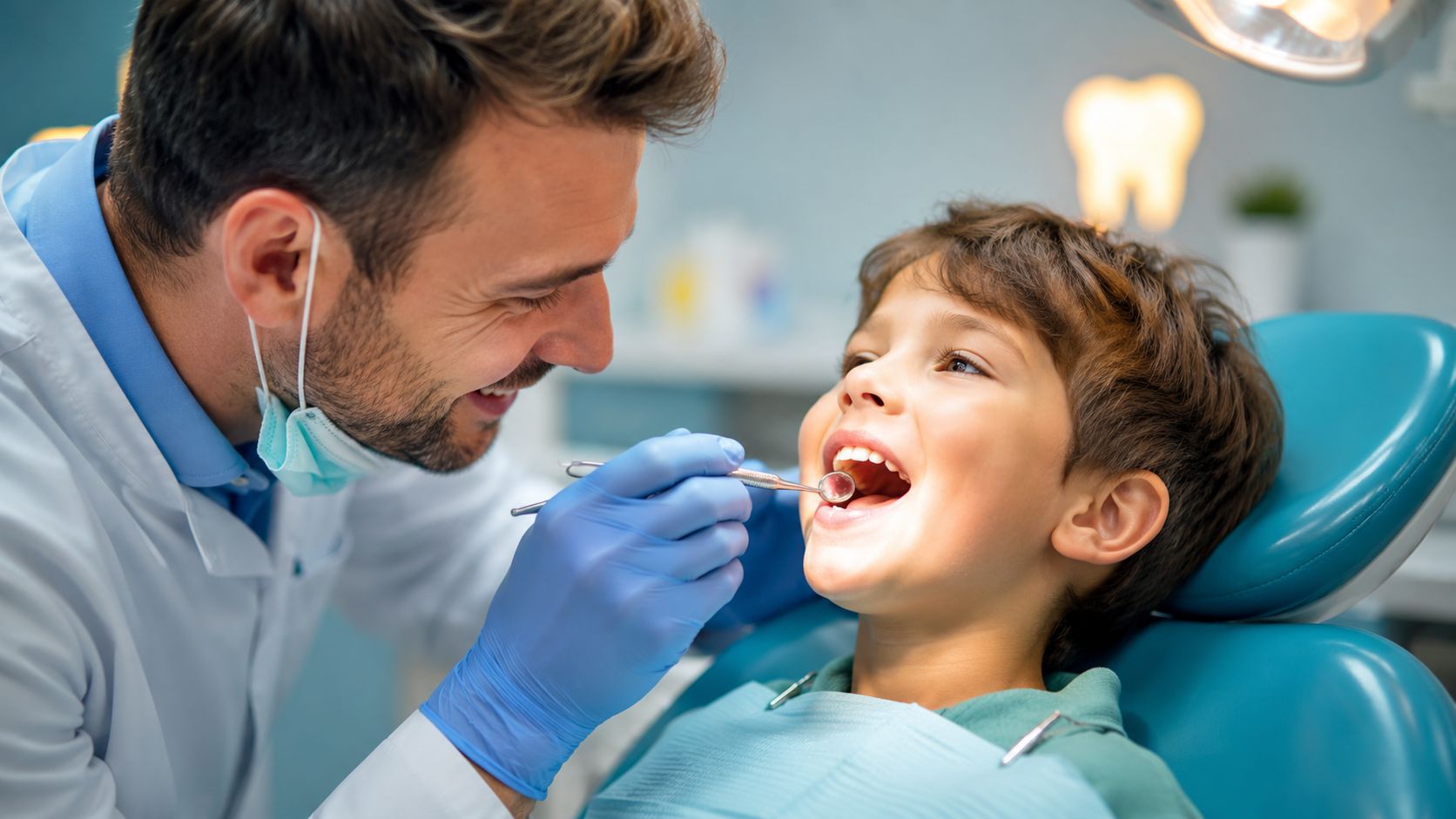
Yes, baby teeth cavities usually do need treatment, because untreated decay can spread quickly in primary teeth and 23% of children ages 2 to 5 have already experienced cavities in their baby teeth. The good news is that treatment isn't always one-size-fits-all, and in Fair Lawn, modern pediatric dentistry can often be gentle, conservative, and adjusted for your child's comfort.
If you're reading this after spotting a brown spot, hearing your child say a tooth hurts, or being told at a checkup that a baby tooth has a cavity, you're not alone. Many parents feel confused at this point. If the tooth is going to fall out anyway, why treat it now? That's a fair question, and the answer becomes much clearer when you understand what baby teeth do, how cavities behave in children, and what today's treatment options look like.
Finding a possible cavity in your child's mouth can make your stomach drop. You might notice a dark groove on a molar, a complaint about chewing on one side, or a rough spot that wasn't there before. Most parents immediately wonder two things. Is it serious, and will my child need a filling?
In many cases, the answer is yes, the tooth needs attention. But that doesn't automatically mean an unpleasant experience, a rushed decision, or extensive drilling. Pediatric-focused care today is much more thoughtful than many parents expect, especially when the goal is to protect a child's comfort while preserving a healthy smile.
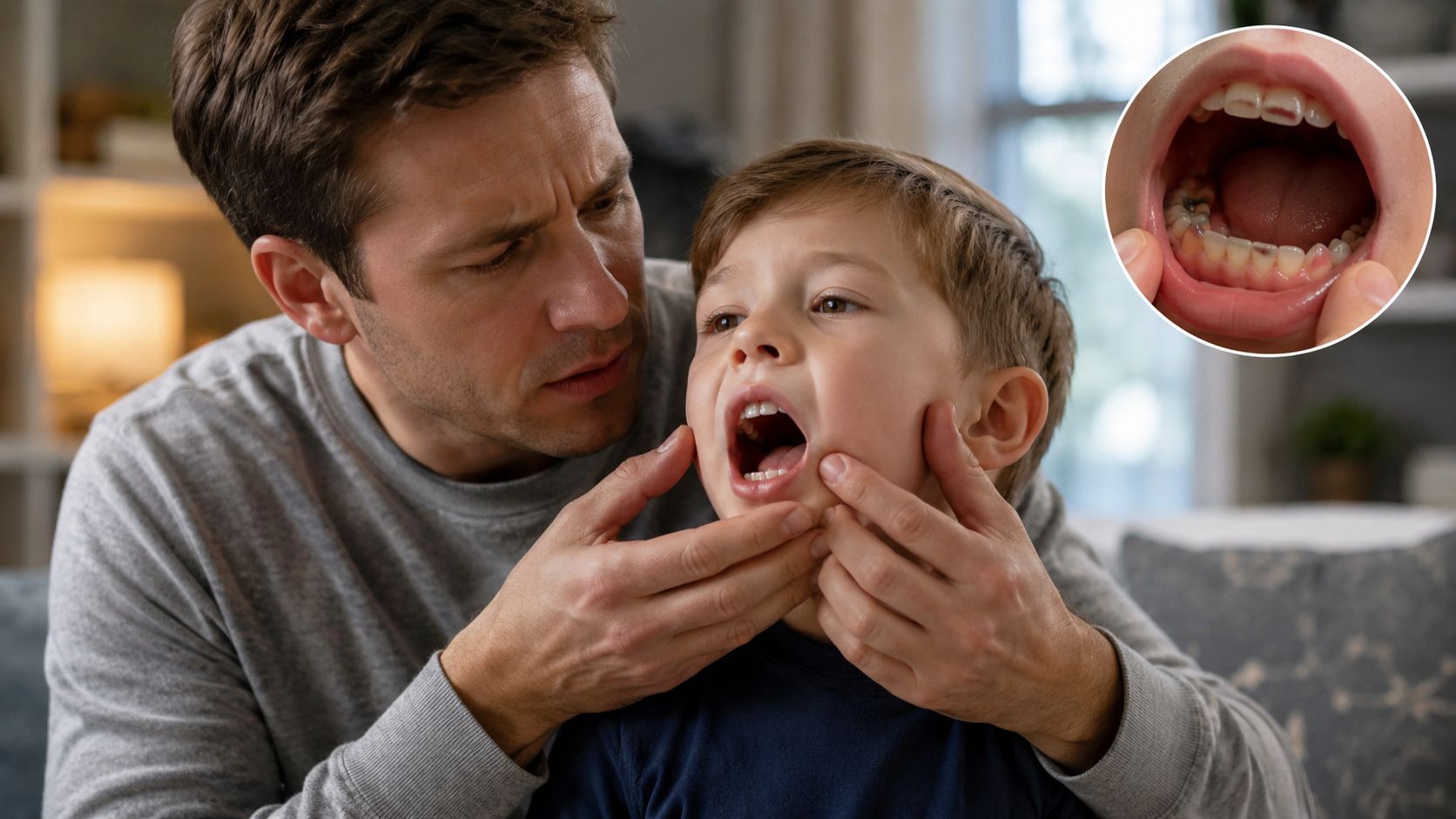
One part of you wants to act quickly. Another part hopes the problem might be small enough to leave alone. That's where good guidance matters. The right approach starts with understanding the size of the cavity, whether the tooth is close to naturally falling out, whether your child has pain, and how likely the area is to worsen.
Some children need a simple tooth-colored filling. Some may be candidates for a less invasive option. And some early changes in the enamel may only need close monitoring and improved home care. If you'd like to learn more about family-focused prevention, this overview of pediatric dental care in Fair Lawn is a helpful place to start.
Practical rule: If a spot on a baby tooth is getting darker, trapping food, or causing sensitivity, don't wait for it to become an emergency before having it checked.
Parents sometimes hear "cavity" and assume the next step is always a traditional filling. Often, that is the best solution. But not always. What matters most is choosing the option that stops disease, keeps your child comfortable, and protects the permanent teeth developing underneath.
That personalized approach is why this topic deserves more than a simple yes or no.
A baby tooth isn't disposable just because it's temporary. While it's in your child's mouth, it has a job to do every day. Healthy primary teeth help children chew comfortably, speak clearly, and keep the right amount of space open for the adult teeth that will come in later.
When parents hear that a cavity is "just in a baby tooth," it's easy to underestimate the issue. But baby teeth are part of your child's development, not just placeholders waiting to fall out.
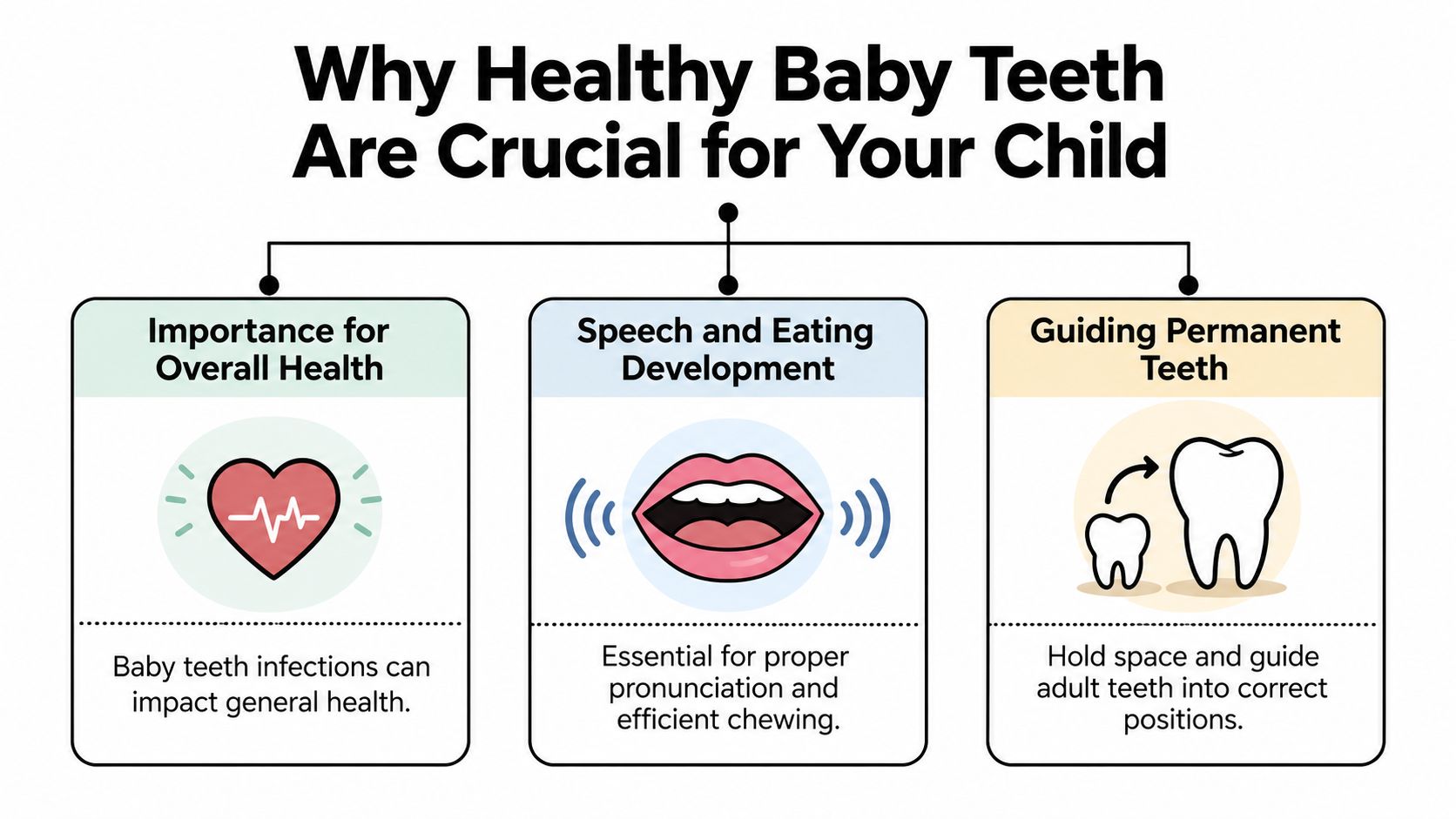
Healthy baby teeth support several important functions:
This is one reason untreated decay can have effects that go beyond the single tooth. The concern isn't only the cavity itself. It's what happens to your child's comfort, growth, and dental development if that tooth is lost or infected too early.
If a baby tooth breaks down or has to be removed too soon, nearby teeth can drift into the open space. That can make it harder for the adult tooth to come in where it should. Parents often don't see that shift happening, but dentists watch for it carefully because it can set the stage for later restorative dentistry or orthodontic treatment such as Invisalign or Six Month Smiles.
Children also rely on healthy teeth during stages when eating can already feel complicated. If you're navigating normal teething and wondering what's expected as teeth come in, Hiccapop's complete guide for baby teething gives a useful parent-friendly overview.
Healthy baby teeth do more than hold space. They help your child function comfortably right now.
You notice a small brown spot on your child's tooth during bedtime brushing. Your child is eating normally, not complaining, and the tooth is going to fall out someday anyway. It can feel reasonable to watch it for a while.
The problem is that baby teeth do not have much extra structure to spare. Their outer layer is thinner, so decay can move inward faster than many parents expect. A spot that looks small on the outside can behave more like a pothole under the surface, with damage spreading before it is easy to see.
Earlier in this article, we noted that cavities in young children are common and that untreated decay can spread quickly. That same source also warns that waiting can lead to premature tooth loss, pain, and infection. In other words, this is not only about a mark on the tooth. It is about whether the tooth can stay comfortable and treatable.
Decay usually follows a predictable path:
| Stage | What parents may notice | Why it matters |
|---|---|---|
| Early decay | White, brown, or dark spot | The enamel is starting to break down |
| Deeper cavity | Food gets stuck, rough edge, sensitivity | The inner tooth structure is involved |
| Nerve irritation | Pain with eating, crying, trouble sleeping | The tooth may be inflamed and much harder to treat simply |
| Advanced infection | Swelling, abscess, fever, facial tenderness | Your child may need urgent care and a more involved procedure |
Children do not always describe dental pain clearly. Some stop chewing on one side. Some avoid cold foods. Some resist brushing a tooth that used to be easy to clean.
That change in behavior is often the clue.
Many parents ask whether they can wait for the tooth to fall out. The answer depends on how deep the cavity is, how close that tooth is to its normal time of shedding, and whether infection is present. A cavity does not stay frozen in place because the tooth is temporary.
Early treatment often gives families more gentle options. In some cases, a dentist may be able to slow or stop decay with Silver Diamine Fluoride (SDF), especially when the goal is to avoid drilling in a very young or anxious child. In other situations, a small filling may repair the tooth before the damage reaches the center. If the cavity is ignored until the tooth hurts, treatment may become more involved, such as a crown, pulp treatment, or removal of the tooth.
That is the part many parents do not hear at first. Waiting does not always avoid treatment. Sometimes it removes the simpler choices.
A cavity that is caught early is usually easier on your child, easier on your schedule, and easier to manage with calm, conservative care.
Most parents worry about how their child will react before they worry about the procedure itself. That's completely understandable. A good pediatric dental visit doesn't begin with treatment. It begins with helping your child feel safe.
At a new patient exam, the pace is usually gentle. A team member greets your family, helps your child settle in, and keeps the visit age-appropriate. Some children are chatty and curious. Others need more reassurance. Both responses are normal.

The exam usually starts with a careful visual check of the teeth and gums. If needed, the dentist may recommend low-radiation digital dental X-rays to see between teeth or below the surface. That's especially helpful when a cavity is hiding where parents can't easily spot it.
Not every mark means your child needs immediate drilling. As explained in this guide to pediatric filling second opinions, some early-stage cavities can be monitored or managed non-invasively if they aren't progressing quickly. Fillings become essential when the cavity is large, moving fast, causing pain or infection, or when home care makes watchful monitoring too risky.
That distinction matters. Parents want to know the recommendation is based on what the tooth needs, not on a routine script.
A child's cavity evaluation often involves a few clear steps:
Some parents find it helpful to see a calm explanation of pediatric dental care in action. This video offers that kind of visual reassurance.
You don't need to guess your way through the decision. Ask direct questions such as:
Those questions often lower anxiety because they shift the visit from fear of the unknown to a clear care plan.
Parents often think cavity treatment means one thing. Numbing, drilling, and a filling. Sometimes that is exactly the right treatment. But modern pediatric dentistry offers more than one path, and that flexibility is especially helpful for young children, anxious children, or teeth that may not need a traditional restoration right away.

A tooth-colored filling is still a reliable, common treatment for a cavity that has moved into the tooth and needs decayed material removed. Composite resin blends naturally with the tooth, restores shape, and helps your child chew normally again.
This option is often a strong fit when:
One of the most important options parents should know about is Silver Diamine Fluoride, often called SDF. According to this discussion of childhood cavity myths and treatment options, emerging pediatric guidelines recognize SDF as a valid non-invasive way to arrest decay in baby teeth, especially for children who fear anesthesia or sedation.
That matters because a filling isn't the only medical path. In selected cases, SDF can stop the progression of decay and buy time until the tooth naturally exfoliates.
Clinical insight: For a very young child or a child with high treatment anxiety, SDF may offer a gentle first step when the goal is to control disease without a full restorative procedure.
SDF isn't right for every tooth. It doesn't rebuild a lost tooth surface the way a filling does. But for the right situation, it can be an excellent tool.
If you're interested in prevention and enamel support as part of a broader treatment plan, learn more about professional fluoride treatments in Fair Lawn.
| Treatment | Best for | Main advantage | Important note |
|---|---|---|---|
| Tooth-colored filling | Cavities that need decayed tooth structure removed | Restores shape and function | Requires a standard restorative procedure |
| SDF | Selected small or manageable areas of decay | Non-invasive and fast | Doesn't replace missing tooth structure |
| Pediatric crown | More extensive breakdown in a baby tooth | Covers and protects the whole tooth | Used when a filling may not be enough |
| Sealants | Cavity prevention on molars | Protects deep grooves | Preventive, not a repair for active decay |
Families in Fair Lawn looking for a dentist near me, an emergency dentist, or a dentist in Fair Lawn, New Jersey often arrive assuming they need one treatment. A careful exam may show a wider range of options, from preventive support to restorative dentistry, depending on the tooth.
For children who feel nervous, comfort support can also make a major difference. Some practices offer sedation dentistry so care feels manageable rather than overwhelming. That's especially useful when a child needs more than one area treated or has had a difficult dental experience before.
The best cavity treatment is prevention before the problem gets bigger. That starts at home with consistent brushing, flossing where teeth touch, and limiting frequent sugary snacks or drinks that keep feeding cavity-causing bacteria. It also means keeping regular dental care on the calendar, even when nothing seems wrong.
Parents don't need perfection. They need a plan they can follow.
A practical prevention routine usually includes:
Children's dental needs change quickly. A toddler with early spots may need prevention and monitoring. A school-age child may need sealants, restorative dentistry, or help after a dental injury. Later on, families may look for cosmetic dentistry, teeth whitening, dental implants near me, or orthodontic options as teens and adults.
The strongest care comes from an ongoing relationship with a local office that knows your family's history and can respond when something changes. If you're interested in how dental practices manage communication and make it easier for families to get answers quickly, Recepta.ai dental answering solutions offers a useful look at that side of patient support.
If you're unsure whether your child's cavity needs a filling, the safest next step is an exam. Clarity lowers stress, and early choices are usually the gentlest ones.
Families in Fair Lawn, Ridgewood, and Glen Rock often start with one simple question about a baby tooth. What they really want is confidence that they're making the right decision for their child. That's exactly where personalized care helps most.
If you're looking for trusted guidance from Dental Professionals of Fair Lawn, our team is here to help your family understand every option clearly, from monitoring and preventive care to tooth-colored fillings and gentle modern treatments. If your child has a painful tooth, a newly discovered cavity, or needs a new patient exam in Fair Lawn, contact us to schedule a visit and get a personalized plan that protects your child's smile with comfort and care.