Plaque Tartar Removal in Fair Lawn, NJ: A Patient Guide
Need plaque tartar removal in Fair Lawn, NJ? Learn the difference, the risks, and how our dentists provide professional cleanings. Book your appointment today.
Need plaque tartar removal in Fair Lawn, NJ? Learn the difference, the risks, and how our dentists provide professional cleanings. Book your appointment today.
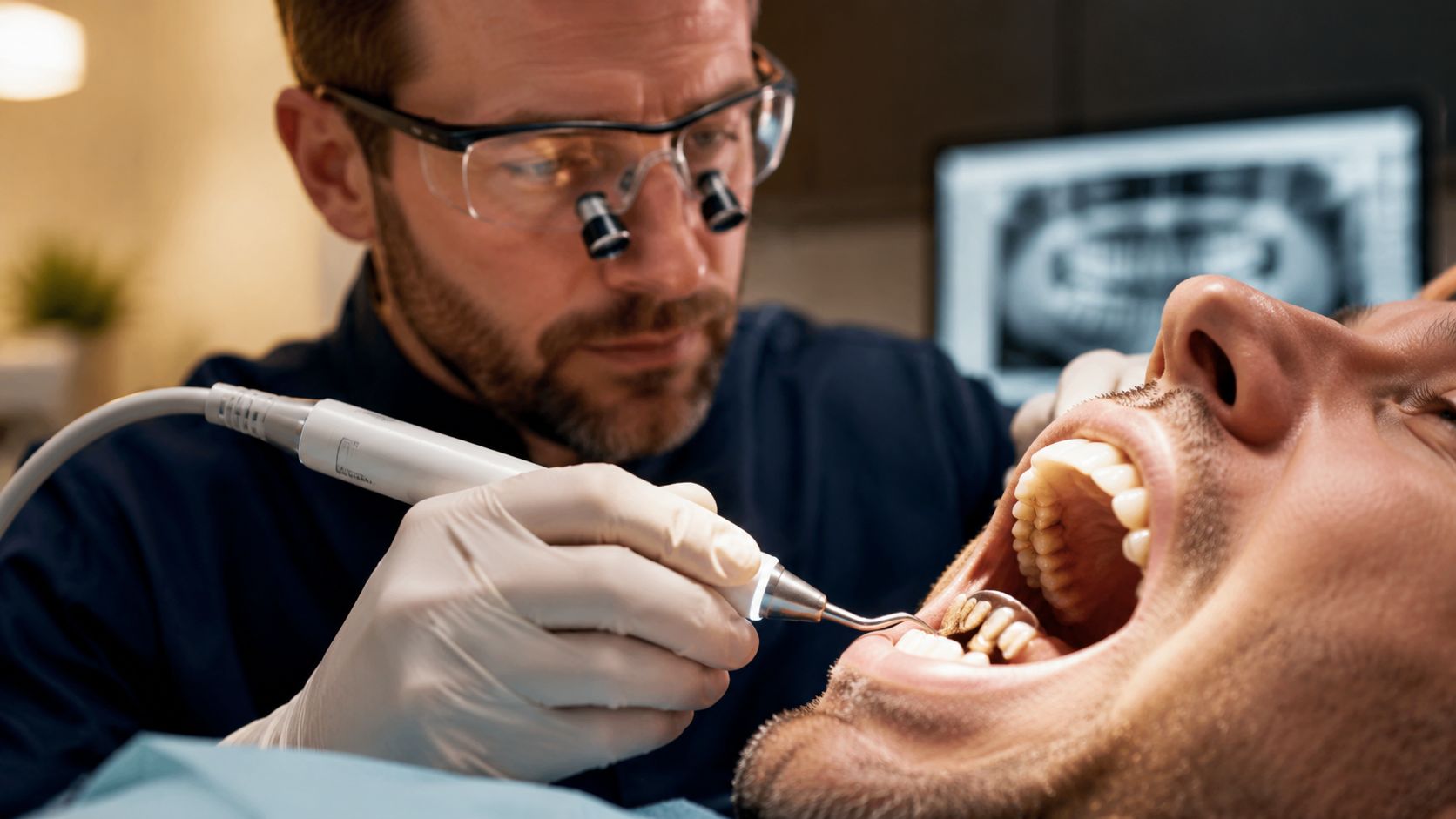
If you're running your tongue across your teeth and noticing a rough spot near the gumline, or you're seeing a yellow or brown edge that doesn't brush away, you're probably dealing with the difference between plaque and tartar. That's one of the most common reasons people start searching for a dentist near me or a dentist in Fair Lawn, NJ.
The good news is that this is a familiar problem, and it's treatable. The part that often confuses patients is knowing what you can handle at home and what needs professional care. That confusion matters, because the right response is usually simple, while the wrong one, especially trying to scrape tartar off yourself, can injure your teeth and gums.
If you're looking for clear answers in Fair Lawn, Ridgewood, or Glen Rock, this guide will walk you through plaque tartar removal in plain language, the same way I'd explain it to a new patient in the office.
A lot of people notice plaque or tartar because their teeth stop feeling smooth. Others see dark buildup behind the lower front teeth or near the gumline and worry something is seriously wrong. Usually, it means it's time for a proper cleaning and exam, not panic.
This is also far more common than generally understood. Research shows that 68% of adults have some amount of tartar on their teeth, according to Crest's tartar and plaque overview. So if you've noticed buildup, you're not unusual, and you're not behind. You're dealing with a routine dental issue that deserves the right kind of care.
Many people put off care because tartar doesn't always hurt right away. It may just look unattractive, make your mouth feel less clean, or leave you wondering whether more brushing will solve it. Once tartar is there, though, brushing harder usually won't remove it.
That's why patients looking for cleaning and exams, new patient exams, or a dentist in Fair Lawn, NJ often benefit from a simple evaluation first. We look at what's soft buildup, what's hardened buildup, how your gums are responding, and whether a routine cleaning is enough.
Practical rule: If the deposit feels stuck, rough, and keeps coming back in the same spot after brushing, it's worth having a professional take a look.
If you're comparing options for dental cleanings in Fair Lawn, the most helpful first step is a visit that includes a close exam and a realistic prevention plan, not just a quick polish. Patients in Fair Lawn, Ridgewood, and Glen Rock often want to know what their cleaning will involve, whether they need more than a standard visit, and how to keep tartar from returning.
Behind the scenes, smooth scheduling and insurance coordination also shape the patient experience. For practices trying to keep that process organized, resources like expert dental billing support can help explain how administrative systems support timely patient care.
The shortest explanation is this. Plaque is soft. Tartar is hard.
Plaque is a sticky film that builds up on your teeth every day. It contains bacteria and clings to enamel, especially near the gums and between teeth. You can usually remove plaque with thorough brushing and flossing.
Tartar, also called calculus, is what happens when that soft film stays on the teeth long enough to harden. Once that happens, it bonds tightly to the tooth surface and doesn't come off with routine home care.
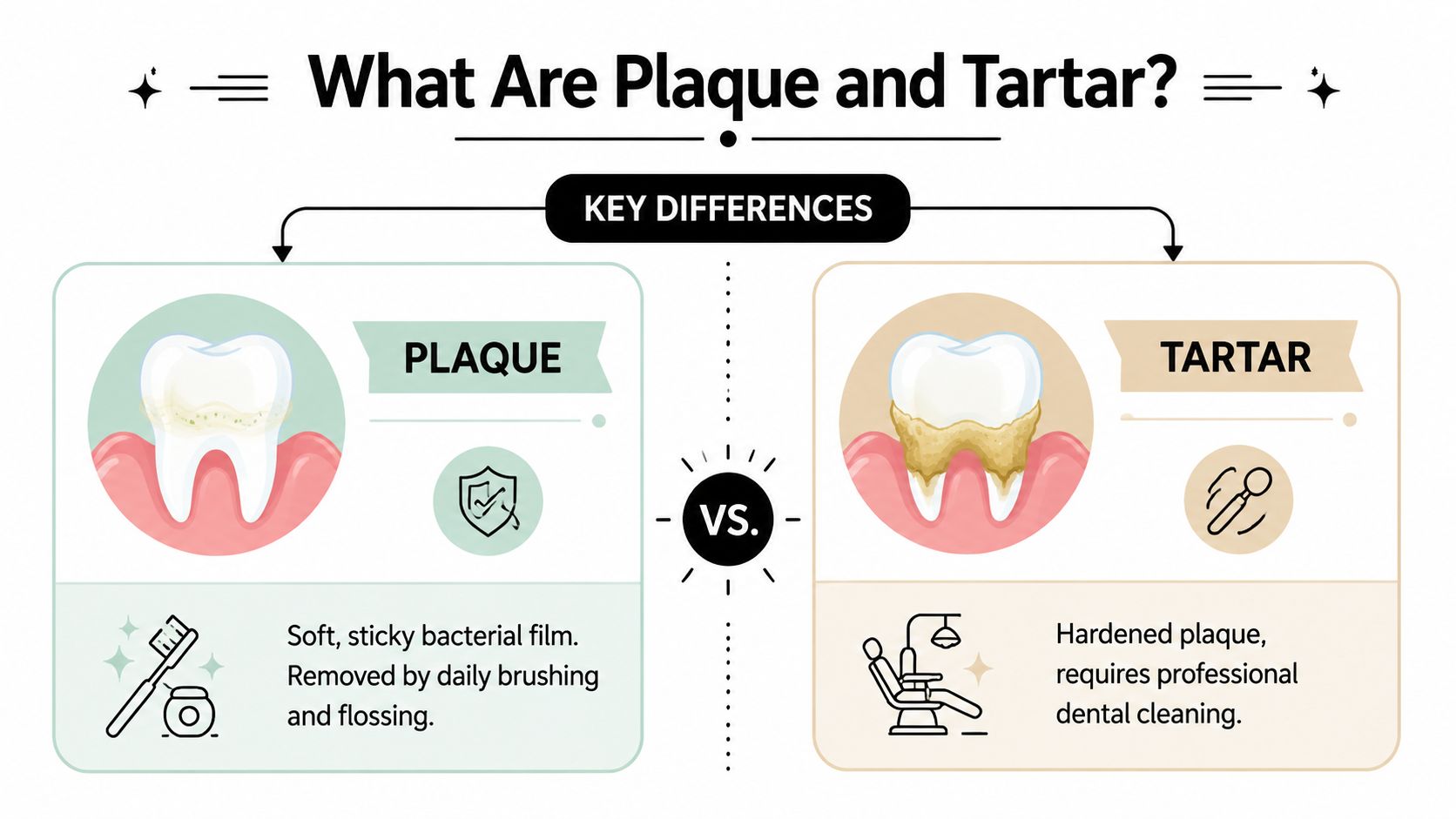
Think of plaque like wet residue on a countertop. If you wipe it away promptly, it's easy. If you leave it there and it hardens, cleanup becomes more difficult and may need the right tool.
That's the key distinction. Plaque is a soft bacterial film you can remove with daily brushing and flossing, but once it hardens into tartar, it forms a strong bond with your tooth enamel that can only be safely removed by a dental professional, as explained by MedlinePlus on plaque and tartar.
The word “plaque” gets used loosely, so people often point to any visible buildup and call it plaque. But visible yellow or brown deposits near the gumline are often tartar, not soft plaque. That's why extra brushing doesn't seem to fix the problem.
Here's a quick comparison:
| Feature | Plaque | Tartar |
|---|---|---|
| Texture | Soft, sticky film | Hard, crusty deposit |
| Color | Often hard to see | Often yellow or brown |
| Home care | Can be removed with brushing and flossing | Cannot be safely removed at home |
| Main concern | Daily bacterial buildup | Long-standing buildup attached to teeth |
If you remember one thing, remember this. Home care controls plaque. Professional care removes tartar.
Plaque and tartar removal can be simplified. There are really two jobs involved:
Patients often feel relieved once they understand that tartar isn't a sign they failed. It usually means there are spots in the mouth that are harder to clean consistently, and those areas need a better home routine plus regular professional attention.
Tartar often becomes noticeable due to its appearance. It can stain easily, make teeth appear darker near the gums, and leave the mouth feeling rough even after brushing. But the bigger issue isn't cosmetic.
Tartar creates a rough surface that makes it easier for more plaque to collect. That means the bacteria sitting along the gumline can stay in place longer, which irritates the gums and makes inflammation more likely.
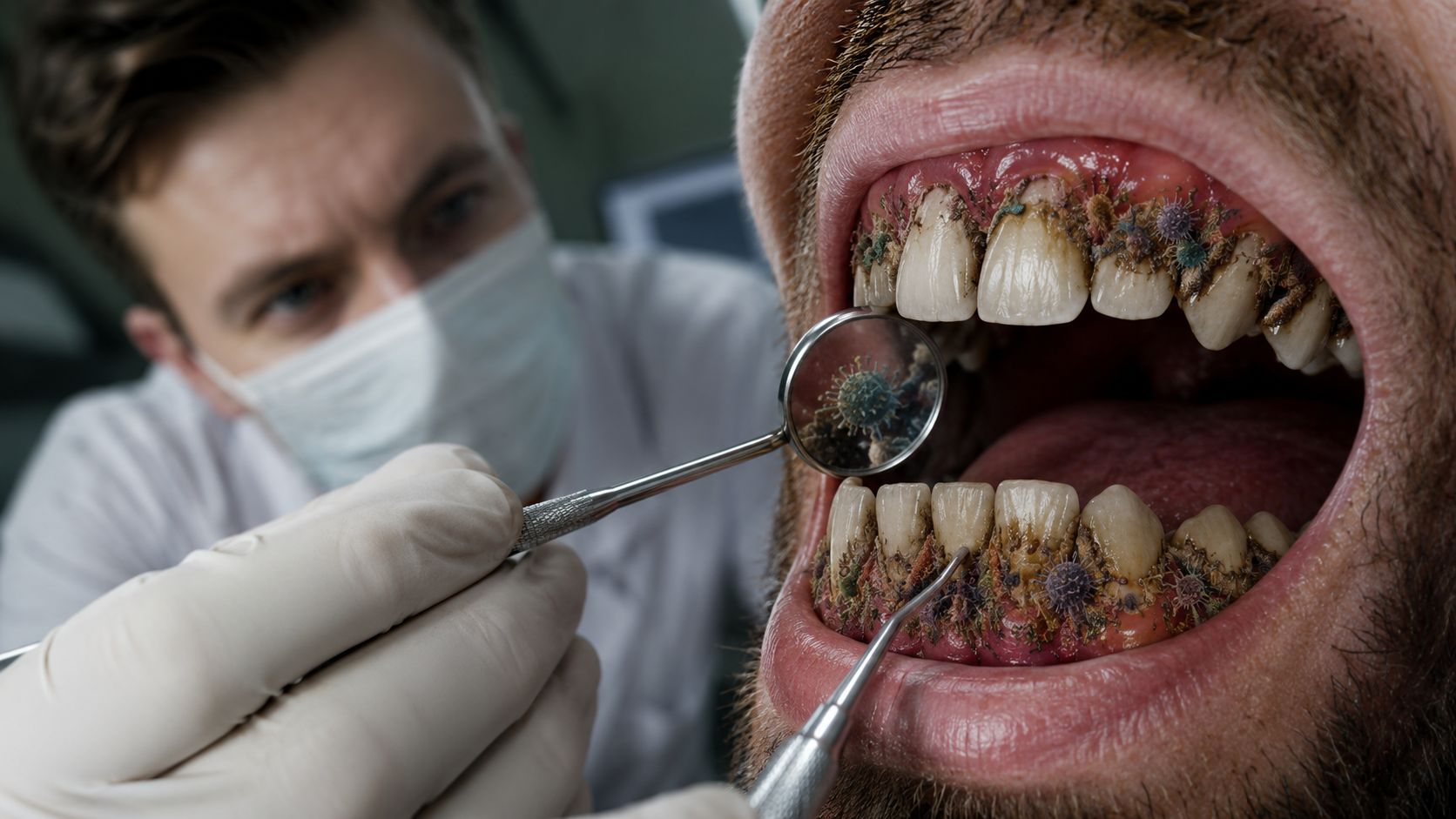
The early signs are often subtle. Your gums may bleed when you floss. Your breath may seem off even when you brush regularly. The tissue near the teeth may look puffy or red instead of firm and pink.
Those changes matter because tartar sits right where the gums are most vulnerable.
When buildup stays at or below the gumline, the irritation does not stay only on the surface. Gum inflammation can worsen over time and may require more involved periodontal treatment than a routine cleaning.
That's why a patient who comes in asking for a standard cleaning sometimes learns they need a deeper level of care. The concern isn't appearance alone. It's the health of the gums and the support around the teeth.
Tartar is often quiet at first. The damage usually starts before the pain does.
If your gums bleed often, if you can see buildup that won't brush off, or if your mouth never quite feels clean, don't assume you just need to brush harder. Those are signs that a professional exam is worth scheduling.
For many patients in Fair Lawn, that visit becomes the turning point. Once the buildup is removed and the gums calm down, home care starts working better again.
Professional plaque tartar removal is straightforward, but many patients feel nervous because they don't know what happens during a cleaning. Most of the anxiety comes from uncertainty, not the procedure itself.
At the office, the first step is identifying what kind of buildup is present and where it sits. Soft plaque, surface stain, and hard tartar are not treated exactly the same way. If the buildup is mostly above the gumline and the gums are stable, a routine cleaning may be enough. If deposits extend below the gums and inflammation is more significant, the treatment may move into scaling and root planing.
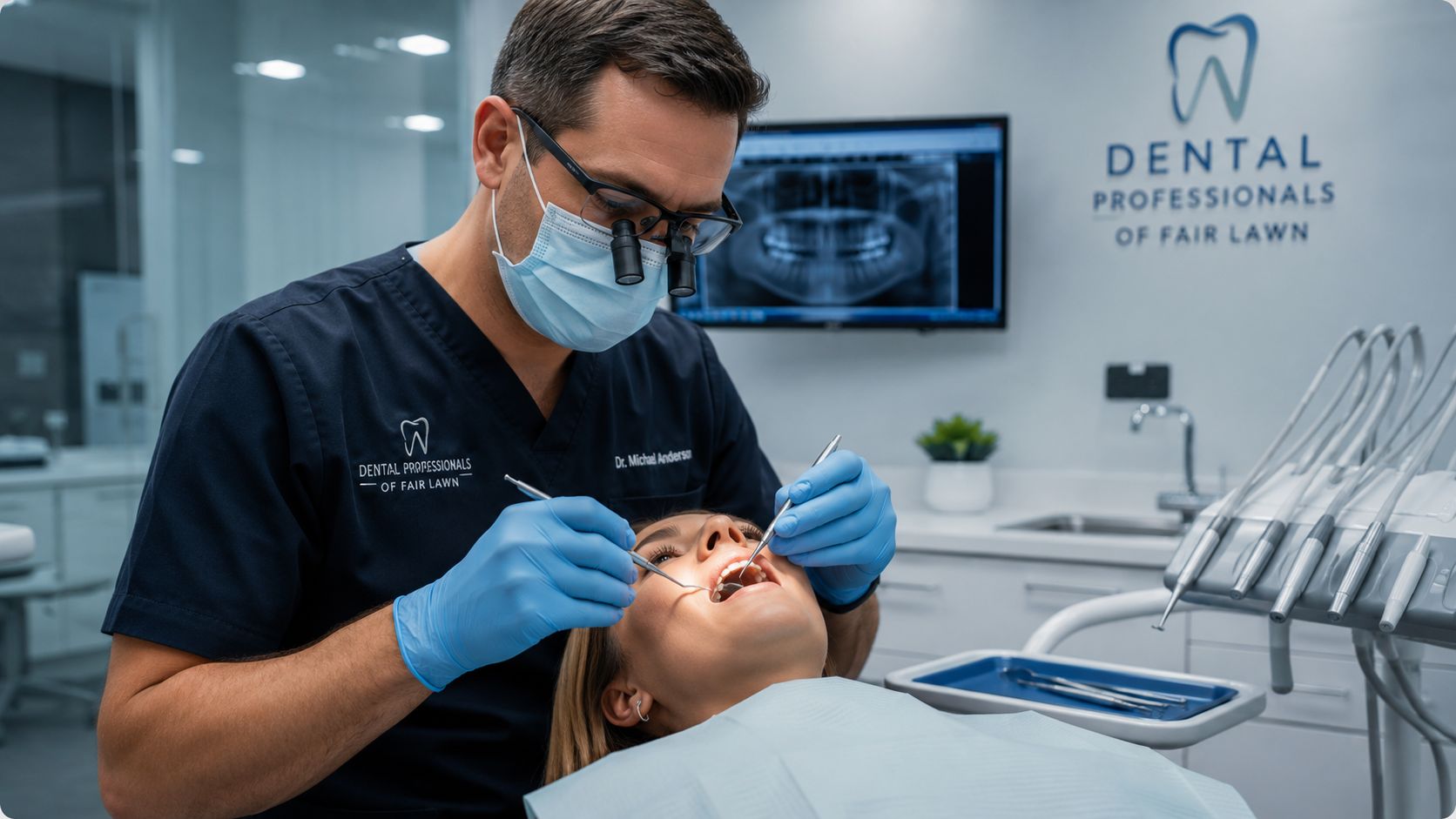
When tartar is present, the goal is controlled removal with instruments designed for the shape of the tooth and gumline. Safe, professional removal requires specialized dental instruments. We often use ultrasonic scalers, which use high-frequency vibrations and a gentle water spray to break up calculus without harming the tooth surface, as described in this explanation of ultrasonic scaling and tartar removal.
After the hardened buildup is removed, the teeth are usually polished to smooth the surface. That smoother finish makes it harder for new plaque to cling as easily.
Here's what many patients experience during a standard visit:
Assessment of buildup and gum health
We check where tartar is collecting and how the gums are responding.
Scaling
Instruments remove the hardened deposits from the teeth.
Polishing
The tooth surfaces are smoothed after the debris is cleared away.
Prevention guidance
You leave knowing which areas need more attention at home.
Sometimes tartar forms below the gumline, where it irritates the tissue and contributes to deeper inflammation. In that situation, a deeper periodontal cleaning may be more appropriate than a routine prophy.
For patients who need that level of care, scaling and root planing in Fair Lawn is one option used to clean below the gumline and smooth root surfaces so the gums can heal more effectively.
This is the part patients rarely get explained clearly. They can see the tartar, they can feel it, and online stores sell metal scraping tools. It seems logical to try removing it yourself.
The problem is that visibility and access are limited at home. It is challenging to adequately judge the pressure, angle, or location for safe tartar removal. It's easy to scratch enamel, irritate gum tissue, or miss the deposits under the gumline while still causing trauma above it.
A safer home plan looks different:
That balance matters. More aggressive home scraping is not better care. Better prevention between visits is.
Only once in this article, it's worth noting that Dental Professionals of Fair Lawn provides routine cleanings as well as periodontal services when buildup goes beyond what a standard cleaning can address. The treatment depends on what the exam shows, not on a one-size-fits-all cleaning.
The most effective way to deal with tartar is to stop plaque from staying put long enough to harden. In this context, daily habits matter more than force. Stronger scrubbing doesn't win. Better technique and consistency do.
Plaque can mineralize into hard-to-remove tartar in just 24 to 72 hours, according to this explanation of how plaque turns into tartar. That's why prevention is time-sensitive. You're not just cleaning your teeth because it feels fresh. You're interrupting the hardening process before it creates a deposit you can't remove yourself.
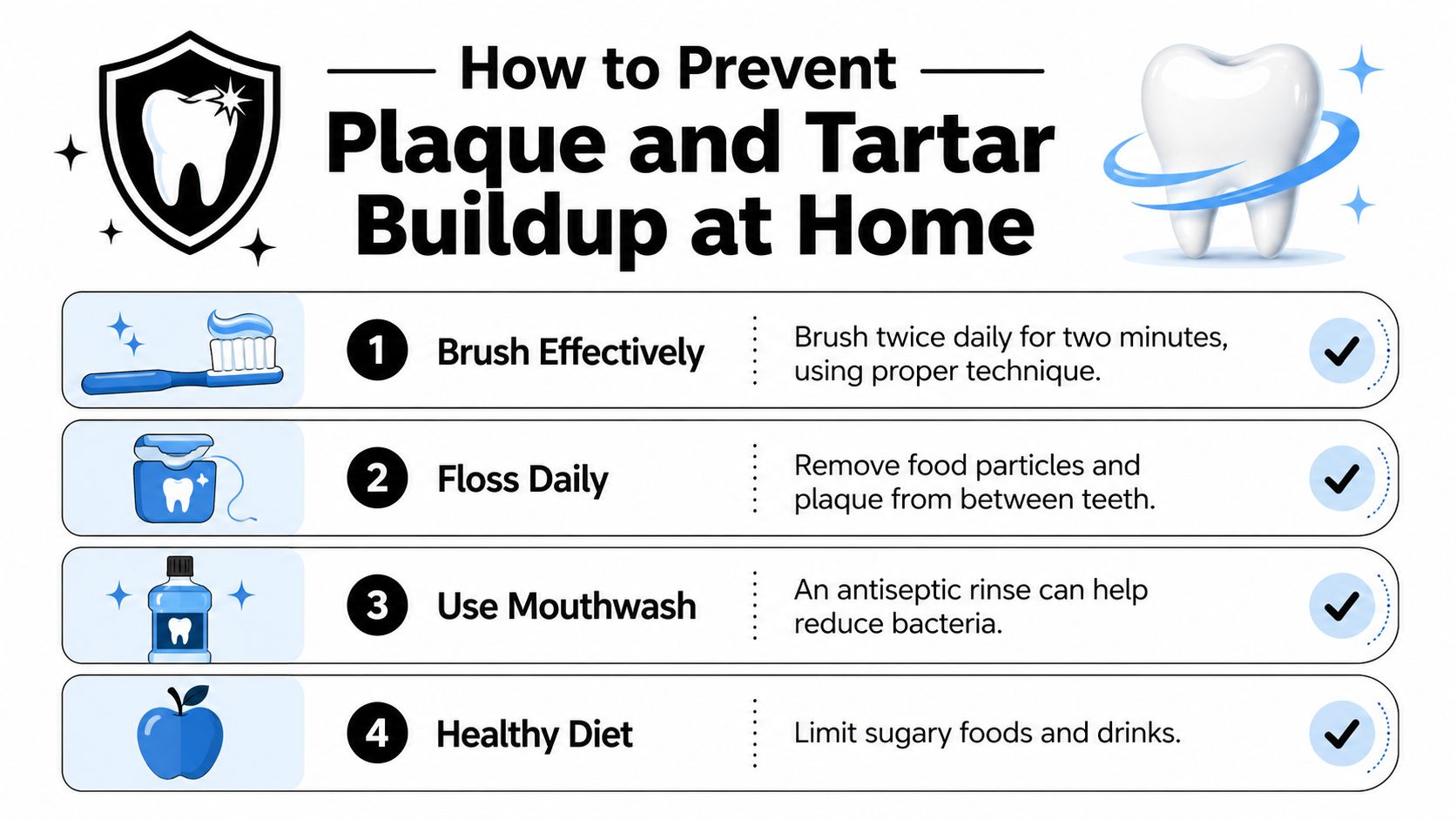
A simple routine works when you repeat it every day.
Patients often tell me, “I brush all the time, so why do I still get tartar?” Usually the answer isn't effort. It's access. Some areas are hard to reach, and some people naturally collect buildup faster in certain spots.
A few practical adjustments can help:
| Home habit | Better approach |
|---|---|
| Fast brushing | Slow down and trace the gumline |
| Skipping floss if nothing feels stuck | Floss daily anyway |
| Scrubbing visible buildup | Clean gently and consistently |
| Waiting until teeth feel rough | Keep to a daily routine before that happens |
Gentle and regular beats aggressive and occasional.
Certain patterns make plaque easier to retain. Frequent sugary snacks, dry mouth, smoking, crowded teeth, bridges, and orthodontic appliances can all make home care more challenging. If tartar keeps returning in the same area, that doesn't always mean poor hygiene. It may mean you need a modified technique or different tools.
If you wear aligners, have restorations, or are considering Invisalign or cosmetic dentistry, prevention becomes even more important because healthy gums and clean tooth surfaces support every other part of your care.
For a new patient, the most helpful thing is usually knowing what the appointment will feel like from start to finish. A cleaning visit doesn't need to be mysterious.
When you arrive, the team gathers your health history, reviews any concerns you've noticed, and checks whether you're coming in for routine maintenance or because something feels off. If needed, dental x-rays may be taken to look for issues that aren't visible during the clinical exam.
Here's a look at the practice before that first visit:

Dr. Jody Bardash and the care team start by examining the teeth and gums closely. If you're a new patient, this matters because not every “cleaning” should be treated the same. Some mouths need a routine preventive visit. Others need a more focused periodontal approach.
During the cleaning itself, the hygienist or dentist removes buildup, cleans the tooth surfaces, and polishes the teeth so they feel smooth again. That polished feeling patients love isn't just cosmetic. It's also part of creating a cleaner surface that's easier to maintain at home.
Many patients feel anxious about discomfort, especially if it's been a while since their last appointment. In most cases, knowing what's happening and why makes the visit much easier. If you're nervous, say so early. That helps the team pace the visit and keep you comfortable.
If you'd like a quick introduction before booking, this video gives more context about the office and care approach:
A dental cleaning is less about “getting in trouble” for buildup and more about resetting the mouth. Once the teeth are cleaned properly, the gums often become easier to care for, and your daily brushing and flossing become more effective again.
That's why routine visits matter for families and adults throughout Fair Lawn, Ridgewood, and Glen Rock. Whether you're due for a basic cleaning, need a new patient exam, or want to talk about future treatment like implants, cosmetic improvements, or restorative work, the first step is to show up.
If you're ready to get answers about plaque tartar removal, schedule a visit with Dental Professionals of Fair Lawn. A professional exam can show whether you need a routine cleaning or more focused periodontal care, and it can give you a clear plan for keeping your smile healthy at home between visits.