Your Fair Lawn Dentist for Preventing Bone Loss After Tooth Extraction
How to prevent bone loss after tooth extraction - Concerned about bone loss after tooth extraction? Learn how to prevent bone loss after tooth extraction with o
How to prevent bone loss after tooth extraction - Concerned about bone loss after tooth extraction? Learn how to prevent bone loss after tooth extraction with o
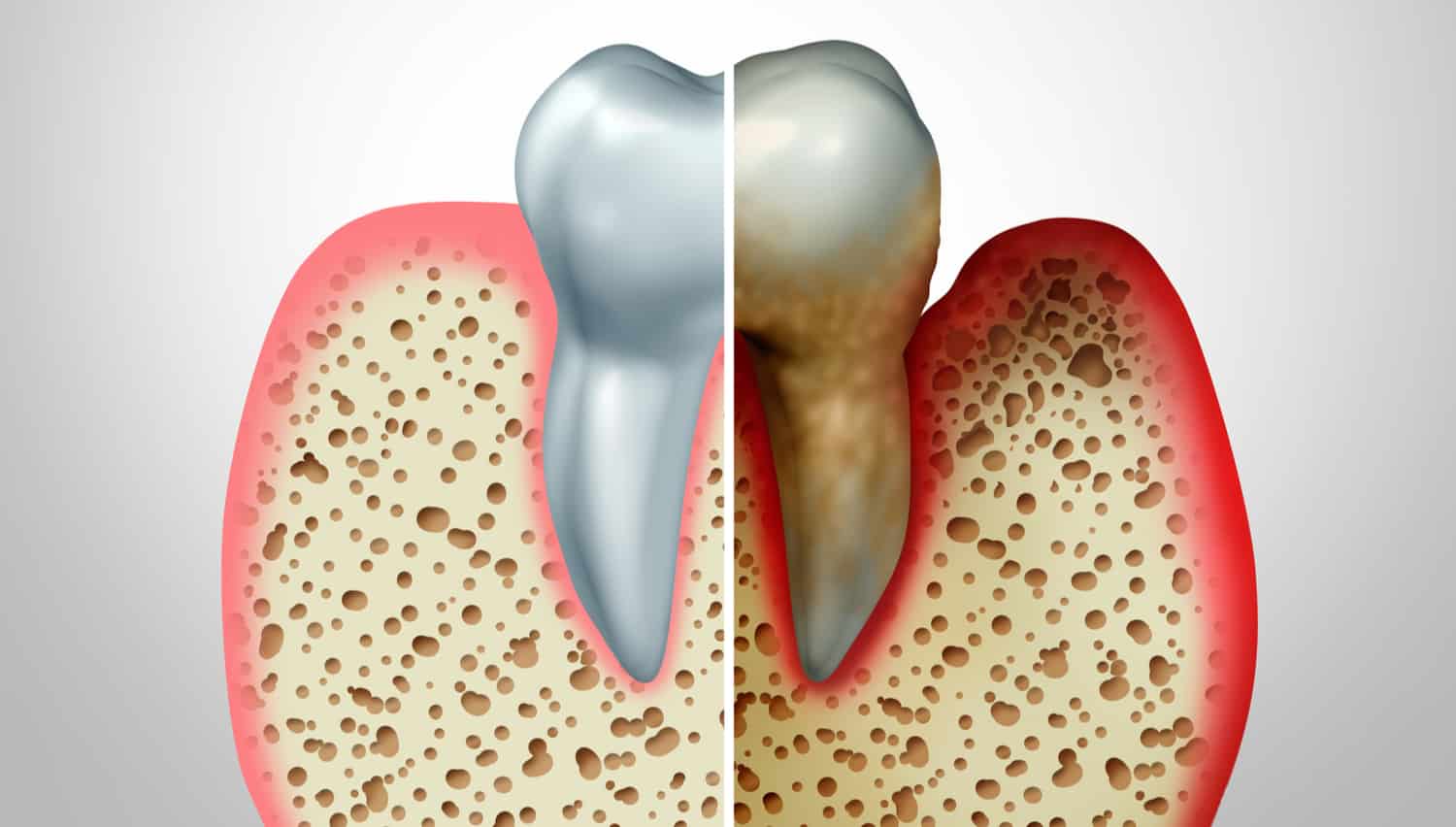
Losing a tooth can be a lot to process, but what happens next is critical for your long-term oral health. Here at Dental Professionals of Fair Lawn, we find that many of our patients from Fair Lawn and even nearby Ridgewood are often surprised to learn that the biggest changes happen out of sight, deep in the jawbone. If you're looking for a "dentist near me" who can guide you through a tooth extraction and protect your smile, you've come to the right place.
Our main goal as your trusted local dentist is to give you a clear, reassuring path forward. We want you to understand exactly how to prevent bone loss after a tooth extraction so you can protect your smile for years to come. When you're armed with the right information, you can make decisions about your care with confidence.
Your jawbone is a lot like a muscle—it needs exercise to stay strong. Your tooth roots provide that constant stimulation every time you chew or bite down. When a tooth is extracted, that stimulation vanishes. The body, being incredibly efficient, senses the bone is no longer needed to support a tooth and begins to resorb it.
What’s surprising to many is just how quickly this happens. The clock starts ticking the moment the tooth is gone.
Research shows that in the first six months alone, your jaw can lose 29-63% of its width and 11-22% of its height in that area.
This is a significant amount of bone, and without timely intervention from your dentist in Fair Lawn, NJ, it can set off a chain reaction of other dental issues.
This timeline shows just how quickly the jawbone can change after an extraction and why a dental implant is such a stable, long-term solution.

As you can see, the most dramatic bone loss happens within the first six months, which is why we emphasize taking action early to preserve your jaw’s natural structure.
The following table breaks down the typical progression of bone loss, illustrating why a proactive approach with your dental care is so important for your long-term health.
Time After ExtractionHorizontal Bone Loss (Width)Vertical Bone Loss (Height)Clinical Impact0-6 MonthsUp to 63% lossUp to 22% lossThe most rapid and significant bone loss occurs. Ideal window for socket preservation or immediate implant placement.6-12 MonthsContinued gradual lossContinued gradual lossThe remaining bone ridge continues to narrow and shrink, making future implant placement more complex without grafting.1-2 YearsStabilizes, but significant loss is permanentStabilizes, but significant loss is permanentFacial structure may begin to change. Neighboring teeth can start to drift.2+ YearsSlow, progressive atrophySlow, progressive atrophySevere bone loss can compromise adjacent teeth and significantly alter facial aesthetics (e.g., "sunken" appearance).
This timeline isn't meant to be alarming, but to show that being proactive is the key to simpler, more predictable, and more successful outcomes.
Taking steps to prevent bone loss isn't just about setting the stage for a future dental implant—it’s about protecting your entire oral structure. From what we’ve seen in our Fair Lawn practice, when the jawbone shrinks, it can lead to several problems:
A healthy diet plays a supporting role, too. Ensuring you get the right nutrients, like those found in bone and joint vitamins, can help support your body's skeletal foundation.
Our team at Dental Professionals of Fair Lawn is here to help patients from Glen Rock and all our surrounding communities create a plan that fits their specific needs. We’ll discuss all the modern restorative and cosmetic options available to secure your health for the long term.
You might think that after a tooth extraction, the main issue is the empty space you see in your smile. But the most significant changes are happening out of sight, deep within your jawbone. Understanding this process is the first step in protecting your oral health for the long run with your trusted local dentist.
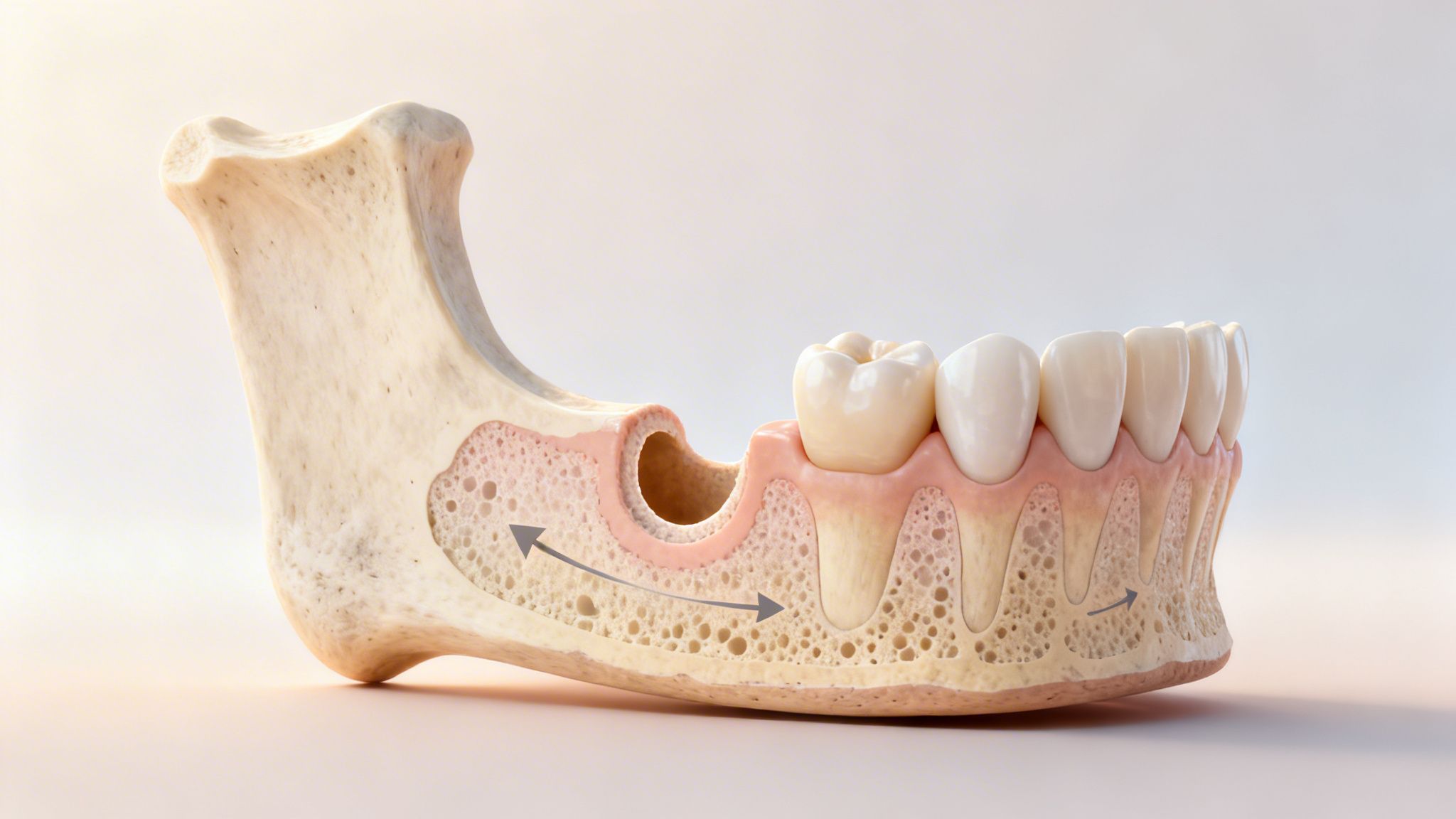
Your teeth aren't just sitting in your gums; they're anchored firmly into a specific part of your jaw called the alveolar bone. This bone has one very important job: to hold your teeth in place.
Think of your tooth roots and jawbone as a team. Every time you chew, talk, or bite down, the roots send tiny, stimulating signals to the alveolar bone. This constant "workout" tells your body to keep sending nutrients and minerals to the area, maintaining the bone's strength and density. It’s a classic case of "use it or lose it."
When a tooth is removed, that stimulation disappears overnight. The body, being incredibly efficient, senses that the bone in that spot no longer has a purpose. It begins a natural process called resorption, where it starts to break down the unused bone and reabsorb the minerals for use elsewhere.
This isn't a defect in your body's design; it's a smart, resource-saving mechanism. Our job as your dental care provider is to manage this process to protect your facial structure and long-term dental health.
This shrinking of the jawbone doesn't happen all at once. It’s a gradual process, but over time, it can create significant problems—challenges we regularly help patients from Fair Lawn, Ridgewood, and Glen Rock navigate. The effects go far beyond just a gap in your teeth.
At Dental Professionals of Fair Lawn, we always advocate for proactive care. Understanding why bone loss happens makes it clear why taking action right after a tooth extraction is so important. By preserving your jawbone from the start, we set you up for simpler, more predictable, and more successful restorative work down the road. It's about maintaining your healthy smile and your natural facial harmony for years to come.
What you do in the hours and days right after a tooth is pulled can have a huge impact on your long-term oral health. While you're resting at home, a few simple, gentle actions are key to a smooth recovery. But the single most powerful step to prevent bone loss actually happens right here in our Fair Lawn office before you even leave.
Let's walk through both the crucial at-home care and the professional procedures that will set you up for a healthy, stable smile for years to come. We want every patient, from our neighbors here to those in nearby Ridgewood, to have the best possible outcome.
Once the tooth is out, your body immediately starts its amazing healing process. Your main job is to protect the extraction site so a stable blood clot can form. This clot is the foundation for proper healing. If it gets dislodged, you can end up with a painful condition called a dry socket, which nobody wants.
Here’s what we tell our patients to do to protect that site:
Following these initial steps is non-negotiable for a comfortable recovery. They pave the way for the most important part of the process: actively stopping bone loss before it starts.
While excellent at-home care is vital for healing, it won't stop the natural process of bone shrinkage. The only way to truly preserve your jaw's structure is with a professional dental procedure.
The most effective answer to how to prevent bone loss after tooth extraction is a procedure we call socket preservation. It's also known as a ridge preservation graft, and it's something Dr. Bardash can do for you right at the same appointment as your extraction. It's simple, quick, and incredibly convenient.
Picture the empty tooth socket as a small, hollow space in your jawbone. Once the tooth is gone, the body's natural response is to let the bony walls of that socket collapse inward and shrink.
Socket preservation stops this from happening. We fill that empty space with a specialized bone grafting material. This material acts like a placeholder, or a scaffold, keeping the socket's shape and signaling your body to grow new bone in that exact spot. Over the next few months, your own bone cells will completely replace the graft material, leaving you with a solid, dense ridge of bone.
Here at Dental Professionals of Fair Lawn, we see this as an essential step for any patient who might want a dental implant in the future. It’s the most predictable way to maintain the natural height and width of your jawbone. By choosing this simple procedure now, you’re often preventing the need for more complex and expensive bone grafting later on. You’re making sure your jaw is strong and ready for a permanent new tooth whenever you are.
While socket preservation is a fantastic way to prepare the site, it’s really a bridge to the most permanent solution. When it comes to truly stopping bone loss for good, nothing else comes close to dental implants. Here at Dental Professionals of Fair Lawn, we consider them the gold standard for a reason: they are the only tooth replacement that acts just like a natural tooth root.
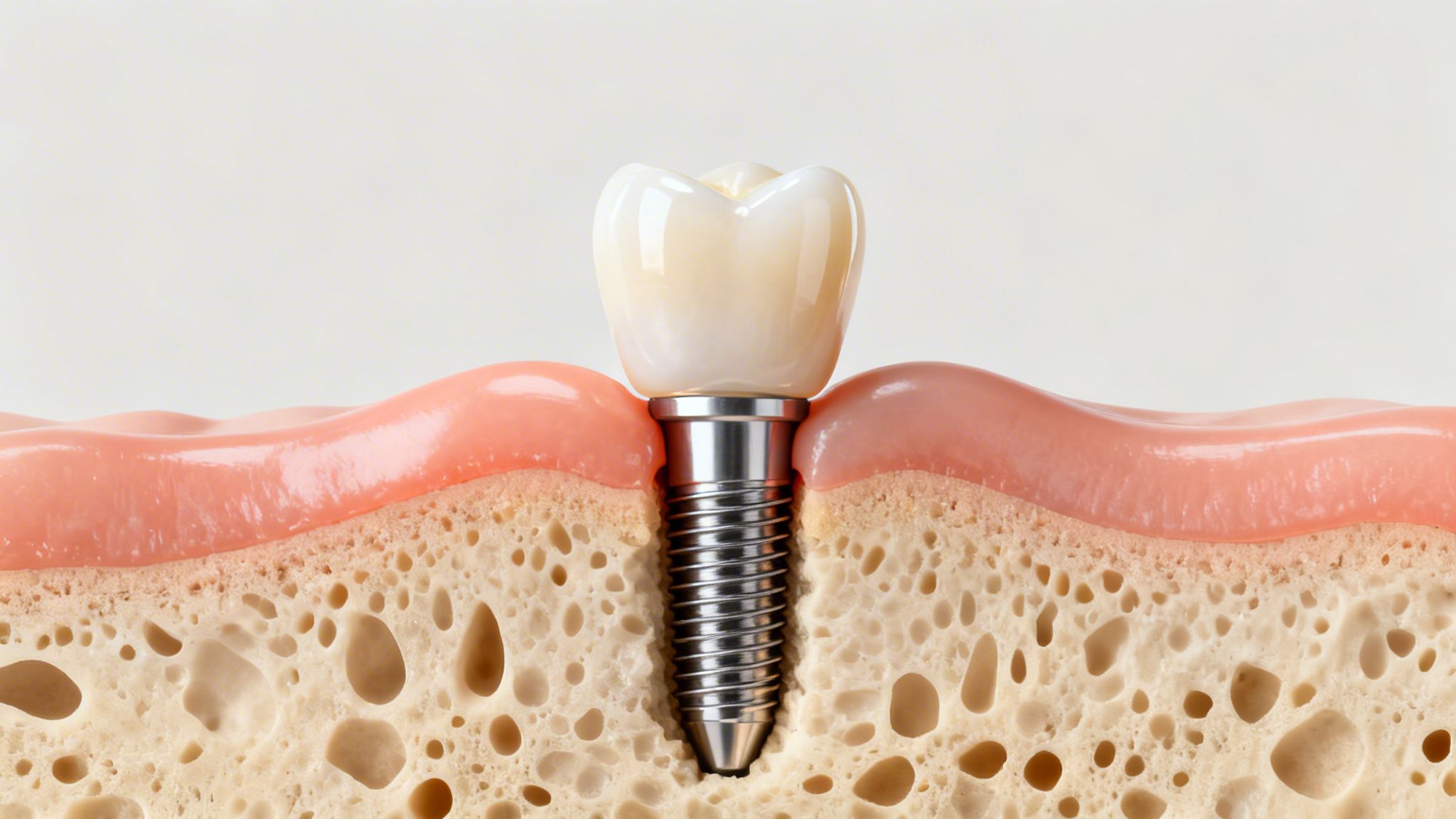
The secret lies in a fascinating biological process called osseointegration. It might sound complex, but the idea is straightforward. A dental implant is a small, biocompatible titanium post that we place into the jawbone where your tooth's root once was. Over the next few months, your body does something amazing—it naturally grows bone directly onto the implant's surface, fusing with it until it becomes a solid, permanent part of your jaw.
This fusion is the game-changer. Once that bond is formed, the implant starts transmitting the forces from chewing and biting directly into the jawbone, just like a natural root. This constant stimulation is the signal your body needs to keep rebuilding and maintaining the bone's density. It’s the definitive way to prevent bone loss after an extraction and the premier restorative dentistry solution we offer.
For decades, the go-to options for a missing tooth were either a bridge or a denture. And while they do a decent job of restoring your smile's appearance, they share a fundamental flaw: they don't address the underlying bone. Both of these are surface-level fixes, sitting on top of the gums without stimulating the jawbone beneath.
Think of it this way:
Only a dental implant gets to the heart of the problem by replacing the root itself. It actively preserves your jaw and facial structure while supporting a beautiful, functional new tooth.
Choosing a dental implant is an investment in the long-term health of your jaw. It's the only tooth replacement solution that actively stops the bone resorption process, protecting your facial contours and the alignment of your other teeth.
Placing an implant correctly is a blend of clinical skill and precise science. If you're searching for "dental implants near me" in the Fair Lawn area, look no further. At Dental Professionals of Fair Lawn, we bring that precision to our patients from Ridgewood, Glen Rock, and the surrounding communities by using incredible technology.
We start with facial scanning and detailed dental X-rays to build a complete 3D model of your jaw. This gives Dr. Bardash a perfect digital blueprint to plan the implant's exact placement—down to the specific angle and depth—long before the actual procedure.
This level of meticulous, upfront planning is what allows us to ensure the implant integrates perfectly with your bone and supports a new crown that looks and feels completely natural. It’s how we restore not just a tooth, but full confidence in your smile. You can get a deeper look into our approach by reading our guide on the benefits of dental implants and their role in your overall oral health.
Here at Dental Professionals of Fair Lawn, we see the big picture. Simply extracting a tooth isn't the end of the story—it's the beginning of a crucial healing phase. To give our patients the best possible outcomes, we often go beyond standard procedures, incorporating advanced therapies that work with your body's natural healing capabilities.
This approach combines proven dental science with practical, whole-body health strategies. For our patients in Fair Lawn and nearby Ridgewood, it means a faster, more comfortable recovery and a stronger foundation for the future of your smile.
One of the most impressive tools we have for promoting healing is something your own body produces. We use a technique called Platelet-Rich Fibrin (PRF) therapy to concentrate your natural healing factors and put them to work right where you need them most.
The process is simple and done right here in our office. We draw a small amount of your blood—about the same as for a routine lab test—and spin it in a centrifuge. This separates the platelets and powerful growth factors, creating a gel-like membrane of PRF. This "biological bandage" is then placed directly into the extraction socket.
What this does is supercharge the healing process. PRF accelerates tissue repair, significantly reduces inflammation and swelling, and provides a scaffold for new bone to grow. It’s a completely natural way to make healing more predictable and less uncomfortable. You can find more details about how PRF therapy enhances healing on lagunahillsprosthodontics.com.
Patients are often surprised to learn just how much their diet impacts healing after a dental procedure. Think of it this way: your body needs raw materials to build new bone. If those materials aren't available, the process slows down or stalls.
After an extraction, we always talk to our patients about focusing on a few key nutrients to support bone regeneration.
Fueling your body properly is an active role you can play in your own healing, especially if you've undergone a bone grafting procedure. It ensures the new bone has everything it needs to become a strong, stable foundation. We use bone grafting to create a strong foundation that can support a dental implant for a lifetime.
If there is one thing that can single-handedly derail the healing process, it's smoking. I've seen it time and time again in my practice, and I can't stress this enough to my patients.
The chemicals in cigarettes are toxic to healing. They constrict blood vessels, cutting off the vital supply of oxygen and nutrients that the new bone and gum tissue need to survive. This can lead to painful complications, infections, and even the complete failure of a bone graft or dental implant.
Smoking dramatically increases the risk of post-surgical complications, including infection and graft failure. For the best possible outcome, we strongly urge our patients to quit smoking, especially during the healing period after a tooth extraction or implant placement.
Your success is our top priority. Quitting, even just for the healing window, can make all the difference between a successful outcome and a frustrating setback. For our patients in the Glen Rock area who feel anxious about their procedures, including an emergency tooth extraction, we also provide sedation dentistry options. This helps you remain calm and comfortable, so you can focus all your energy on a smooth recovery.
We know that making the first call can sometimes feel like the hardest part. That’s why from the moment you reach out to our team at Dental Professionals of Fair Lawn, we’re focused on one thing: making sure you feel comfortable, heard, and completely informed. Think of your first visit as a conversation, not a clinical appointment.
When you walk into our office, you're not just another patient; you're part of our practice family. We know that many people, including our neighbors from nearby Ridgewood and Glen Rock, can feel a little nervous about a dental visit. We get it. Our gentle approach and options for sedation dentistry are always available to help you feel totally at ease.
During your consultation, Dr. Bardash will sit down with you for a comprehensive new patient exam. This is about much more than just looking at a single tooth; it’s our chance to understand your overall oral health and how everything is working together.
We’ll use our advanced dental x-rays to get a crystal-clear picture of your jawbone, paying special attention to the area around a recent or planned tooth extraction. This lets us see exactly what's going on beneath the surface, which is the key to figuring out how to prevent bone loss after tooth extraction effectively.
This is your time. We encourage you to ask every question that comes to mind. We'll walk you through what we see, explain all your options in plain English—from socket preservation to dental implants—and work with you to map out a plan that fits your health goals and your budget.
Our goal is to give you the clarity you need to make confident decisions. Whether you’re looking into restorative dentistry to get your bite back, interested in teeth whitening, or exploring cosmetic dentistry for a smile you can’t wait to show off, you’ll have all the information. You’ll leave our office with a clear path forward, knowing you’re in the right hands to achieve a healthy, beautiful smile that lasts a lifetime.
It's completely normal to have questions about what happens after a tooth extraction. We believe you should have all the information you need to make the best decision for your health. Here are the answers to some of the most common questions we hear from our patients at Dental Professionals of Fair Lawn.
This is a very practical question, and the honest answer is: it depends. The cost for procedures like socket preservation or a dental implant isn't one-size-fits-all. It's based on your unique situation, the current health of your jaw, and your insurance plan.
The best first step is a consultation. We'll give you a clear, detailed breakdown of any costs and walk you through all the payment and financing options available. Our goal is to make sure you can get the dental care you need.
We take your comfort very seriously. For both bone grafting and implant procedures, we use a local anesthetic to make sure the area is completely numb. You won't feel any pain during the treatment.
For our patients from Fair Lawn, Ridgewood, and surrounding areas who feel a bit nervous about dental work, we also offer gentle sedation dentistry. This helps you feel completely relaxed and calm from start to finish.
Honestly, most of our patients tell us the procedure was much easier and more comfortable than they ever expected. We're committed to making your experience painless and stress-free.
If you choose not to do anything after a tooth extraction, the bone in that area will naturally start to shrink away. It doesn't happen overnight, but over time, you might notice a sunken look in your cheeks or lips.
The neighboring teeth can also start to drift into the empty space, which can throw off your bite and cause other problems. Waiting often means that if you decide you want a dental implant down the road, you'll first need a more involved (and more expensive) bone grafting procedure to rebuild the foundation that was lost.
The ideal timing really changes from person to person. For some people, Dr. Bardash can place an implant on the very same day the tooth is removed. For others, it’s best to perform socket preservation and let the area heal and strengthen for a few months first.
We'll take a close look at your specific case, using tools like our dental x-rays, to map out a timeline that gives you the best possible chance for long-term success.
Don't let questions hold you back from protecting your smile. The team at Dental Professionals of Fair Lawn is here to give you clear answers and create a plan that’s right for you. Schedule your consultation with us today to discuss your options and take the first step toward a healthier, more confident smile.