Holistic Oral Health: Smile & Wellness in Fair Lawn
Experience holistic oral health in Fair Lawn, NJ. Our whole-body approach enhances your smile & wellness. Trust Dental Professionals for comprehensive care.
Experience holistic oral health in Fair Lawn, NJ. Our whole-body approach enhances your smile & wellness. Trust Dental Professionals for comprehensive care.
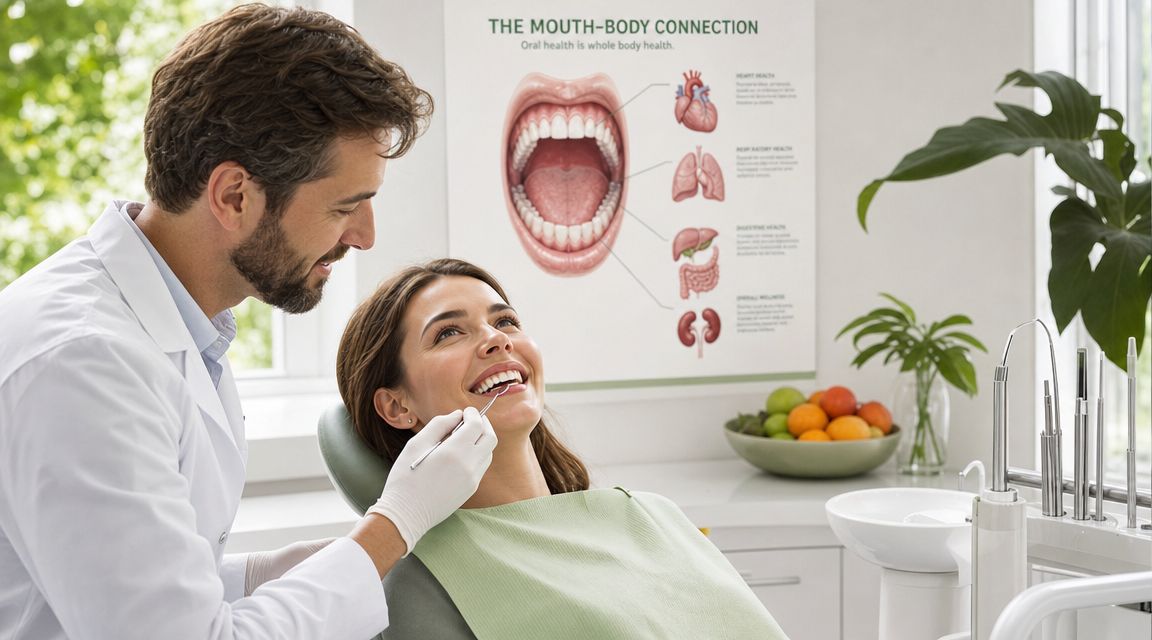
You may be looking for a dentist near me in Fair Lawn, NJ because something feels off, but not urgent enough to count as a classic dental emergency. Maybe your gums bleed when you brush. Maybe you've had the same filling repaired more than once. Maybe you want a brighter smile, straighter teeth, or dental implants, but you also want your care to make sense for your overall health.
That's where many patients get stuck. They don't just want a dentist who fixes a tooth and sends them home. They want someone who listens, looks at patterns, and explains how oral health fits into daily life, comfort, nutrition, inflammation, and long-term wellness.
A modern whole-body approach can do that without drifting into guesswork. In a local practice setting, whole-body oral health should feel practical, clear, and grounded in evidence. It should help you understand what's happening in your mouth, what may be driving it, and what steps can protect your teeth, gums, bite, and quality of life.
A common story sounds like this. A patient moves to Fair Lawn, or their longtime dentist retires, and they start searching for a dentist in Fair Lawn, NJ who feels like a better fit. They're not only asking, “Who can do my cleaning and exams?” They're also asking, “Who will help me understand why this keeps happening?”
Sometimes the issue is recurring gum irritation. Sometimes it's a chipped tooth from clenching. Sometimes it's interest in Invisalign, Six Month Smiles, cosmetic dentistry, or dental implants near me, but with a wish to choose care that supports long-term function instead of chasing quick fixes.
That search often leads to phrases like “whole-person dental care,” which can be confusing. Some people hear “whole-person” and assume it means avoiding mainstream dentistry. Others think it means only natural products. Neither idea is very helpful if you want thoughtful, evidence-based dental care close to home.
Patients in Fair Lawn, Ridgewood, and Glen Rock usually want something more straightforward. They want a dental office that pays attention to their health history, habits, concerns about materials, jaw tension, sleep quality, and prevention. They want dentistry that treats the mouth as part of the rest of the body.
A good fit often starts with how a practice thinks, not just what procedures it offers.
If you're sorting through your options, this guide on how to find a new dentist can help you ask better questions before booking. It's especially useful if you're choosing between a general family dentist, a cosmetic dentist near you, or a practice that offers a broader wellness-focused approach.
You might come in for a cracked filling or bleeding gums and expect the visit to focus on one tooth. A whole-body approach starts a little wider. It asks how your teeth, gums, bite, saliva, breathing, diet, stress, and daily routines work together, because those pieces often shape the problem as much as the tooth itself.

In practical dental care, an integrated approach does not mean choosing untested remedies over proven treatment. It means your dentist sees the mouth as one part of your overall health and plans care accordingly. That includes your medical history, risk factors, nutrition, home care habits, clenching or grinding, sleep and breathing patterns, and the materials used to repair teeth.
A helpful way to understand it is to compare it with good primary care. If you had recurring headaches, a thoughtful physician would not only hand you pain medicine. They would ask about sleep, stress, hydration, vision, blood pressure, and medications. Whole-body dentistry follows that same logic. We still use evidence-based exams, imaging, fillings, crowns, implants, and cosmetic treatments. We place them within a bigger health context.
That point matters for patients who hear about a particular dental philosophy and assume it means "natural only." In a modern Fair Lawn practice, this philosophy usually means careful diagnosis, prevention, and treatment choices that support function, comfort, and long-term stability.
Oral disease is common on a global scale. The World Health Organization reports that oral diseases affect nearly 3.7 billion people worldwide and that untreated dental caries in permanent teeth is the single most common health condition globally according to the WHO oral health fact sheet. WHO also explains that oral diseases share modifiable risk factors with other major noncommunicable diseases, including sugar intake, tobacco use, alcohol use, and poor hygiene.
The reason for this is straightforward. The mouth is not separate from the rest of the body. It is part of how you eat, speak, sleep, breathe, and manage inflammation every day. If your gums are irritated, chewing is limited, or your bite is unstable, the effects can spill into nutrition, comfort, and quality of life.
Nutrition is a good example. No vitamin replaces brushing, flossing, professional care, or treatment for active disease. Still, nutrient status can be part of the prevention conversation, especially when a patient has questions about bone health or healing. For a simple overview, see VitzAi on D3 K2 benefits.
Practical rule: If a recommendation does not improve prevention, disease control, comfort, or daily function, it is probably not the part of care that deserves the most attention.
Many new patients assume this approach is mainly about avoiding certain products or asking for "natural" alternatives. Sometimes material preferences are part of the discussion. They are rarely the whole discussion.
Good care still centers on a healthy, functional mouth. That means controlling inflammation, lowering cavity risk, improving home care, checking how the bite is working, and choosing treatments that fit your goals and health history. It can include implants or cosmetic work too, when those services improve chewing, confidence, tooth protection, or long-term stability.
In other words, evidence-based conventional dentistry and a whole-body philosophy can work together. They often should.
The clearest way to understand whole-body dentistry is to break it into a few working principles. These are the parts patients can see during treatment planning and everyday care.
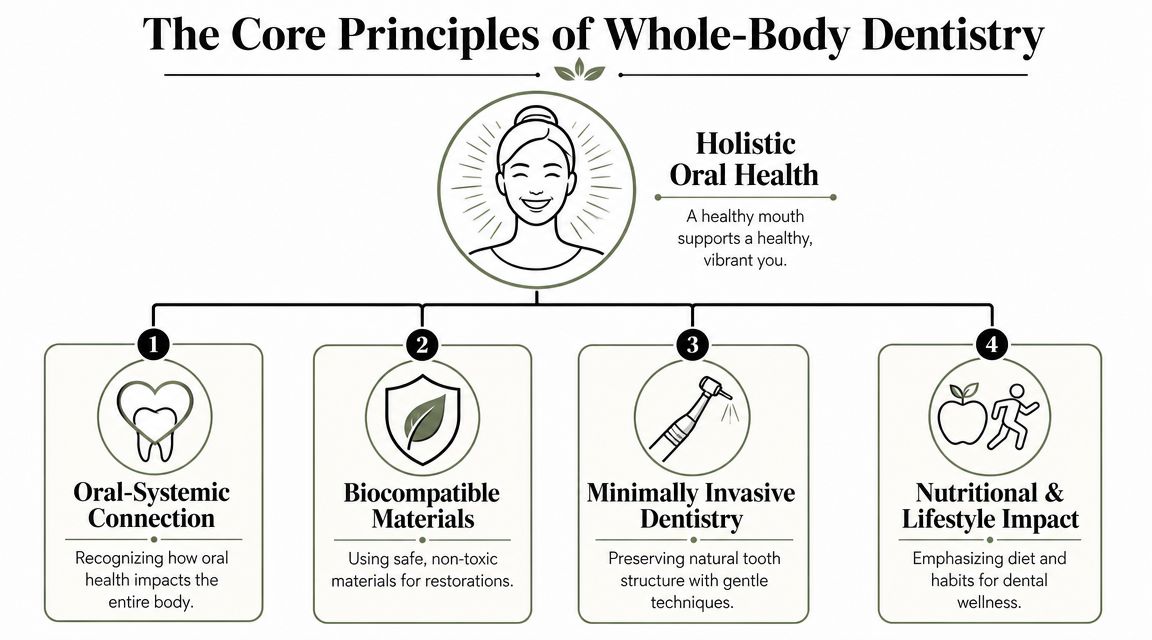
A major reason this approach has gained attention is the oral-systemic connection. A research review published in 2022 reported strong associations between oral health and seven key outcomes, including respiratory diseases, malnutrition, frailty, cognitive impairment, depression, and poor quality of life. The review also found that pathogens in dental plaque are potential risk factors for pneumonia, as detailed in this 2022 oral health review.
That doesn't mean every dental problem causes a medical condition. It means oral health deserves serious attention because the consequences can extend beyond a single tooth or sore gumline.
Many people think dentistry begins with fillings, crowns, or tooth extraction. In reality, the highest-value work often happens earlier. Risk assessment, home care coaching, fluoride use, bite evaluation, and professional cleanings can prevent a lot of treatment from becoming necessary.
This principle is simple. If you can stop disease before structure is lost, you protect more of the natural tooth and avoid more invasive treatment later.
Another core idea is biocompatibility. Patients vary. Some want mercury-free options. Some have complex health histories. Some are especially interested in minimally invasive care or digital workflows that improve planning and comfort.
This doesn't mean every patient needs a specialized material discussion at every visit. It means the dentist considers how restorations, appliances, and treatment choices interact with the person receiving them, not just the tooth being repaired.
A whole-body approach also recognizes that brushing and flossing don't happen in a vacuum. Diet pattern, dry mouth, smoking, sleep quality, clenching, stress, and medical conditions can all influence what happens in the mouth.
For patients who want to explore the nutrition side further, resources like VitzAi on D3 K2 benefits can be useful for broader wellness reading. Still, supplements should never replace the basics of dental prevention, diagnosis, and follow-through.
| Principle | What it looks like in practice |
|---|---|
| Oral-systemic connection | Looking at inflammation, plaque control, and medical history together |
| Prevention-first care | Cleanings, exams, risk review, early treatment, and coaching |
| Patient-fit materials | Choosing restorations and tools with comfort and compatibility in mind |
| Lifestyle awareness | Discussing diet, dry mouth, clenching, sleep, and daily habits |
You come in with a cracked molar, jaw soreness, and gums that bleed when you floss. Most patients in Fair Lawn want the same thing in that moment. They want the tooth fixed correctly, and they also want to understand why several problems are showing up at once.
That is where an integrated model helps. It pairs the precision of conventional dentistry with a whole-body view of health, function, and daily habits. In practical terms, that means your exam can include digital imaging, restorative planning, and a careful conversation about inflammation, bite stress, sleep, medications, or medical conditions that may be shaping what we see in your mouth.
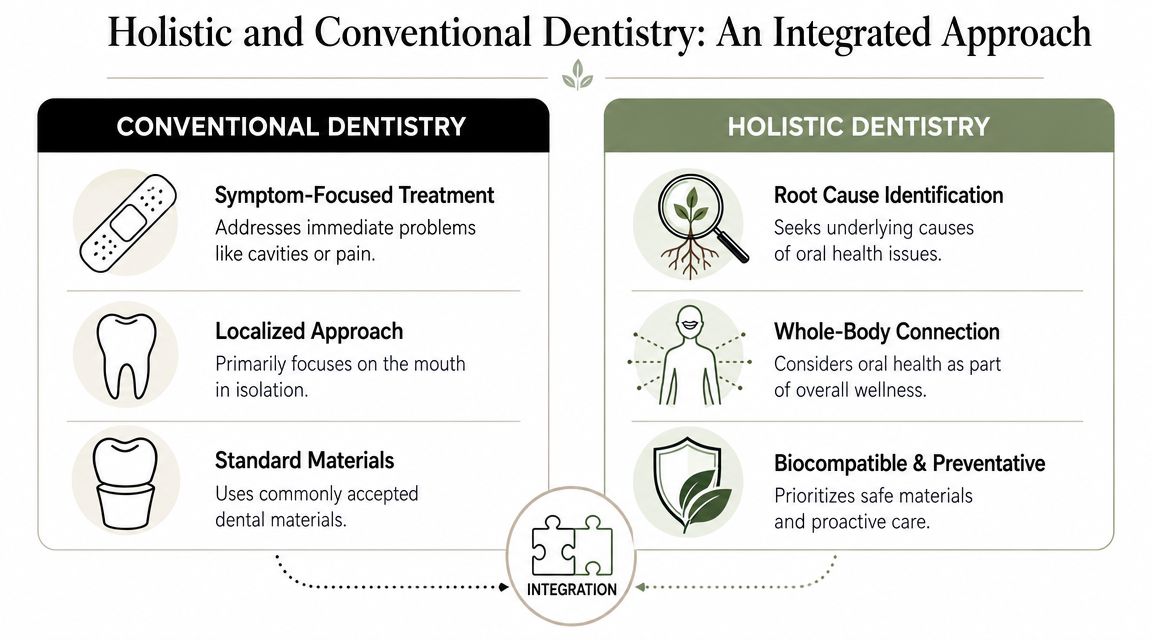
Dentistry needs strong clinical foundations. If you have an infection, a failing crown, swelling, or a true emergency dentist situation, you need accurate diagnosis and proven treatment. You need X-rays or digital scans when they are indicated. You need a dentist who can relieve pain, manage infection, and restore chewing function with methods that have been tested and refined over time.
That kind of care is the base layer. A whole-body philosophy has little value if the clinical work is weak, delayed, or imprecise.
An integrated practice also asks a second set of questions. Why did this happen here, at this time, in this patient? A cavity, a cracked tooth, or gum inflammation often has a chain of causes behind it, much like a warning light on a car dashboard points to a system that needs attention, not just a bulb that needs covering up.
Periodontal disease is a good example. Gum infection is not only a local problem. It can contribute to ongoing inflammation, and managing it may support broader health goals, including glycemic control for patients with diabetes, as explained in this clinical discussion of holistic dentistry and oral-systemic risk management.
So the conversation often expands to include:
This is also why services that some patients think of as separate, such as implants or cosmetic treatment, can fit into a broader health plan. An implant may restore chewing and help stabilize the bite. Cosmetic bonding or orthodontic changes may make hygiene easier or reduce wear in the right case. The goal is not to make care sound trendy or alternative. The goal is to choose treatments that solve the immediate problem and support long-term health.
Many patients already look for this balance in medical care. They want diagnosis, testing, and treatment that follow evidence. They also want a clinician who pays attention to patterns, habits, and root contributors. If that framework feels familiar, this article on how functional medicine addresses chronic issues shows a similar comparison in another area of healthcare.
In dentistry, that balance often feels more reassuring than either extreme alone. You should not have to choose between science and individualized care. A good dental practice can offer both.
You are standing in the bathroom at the end of a long day, brushing quickly and hoping that is enough. Then, a few months later, a checkup finds early decay or gum inflammation. That gap between effort and outcome is where a whole-body approach becomes useful. It turns vague advice into a clear plan that fits your risk, your habits, and your health.
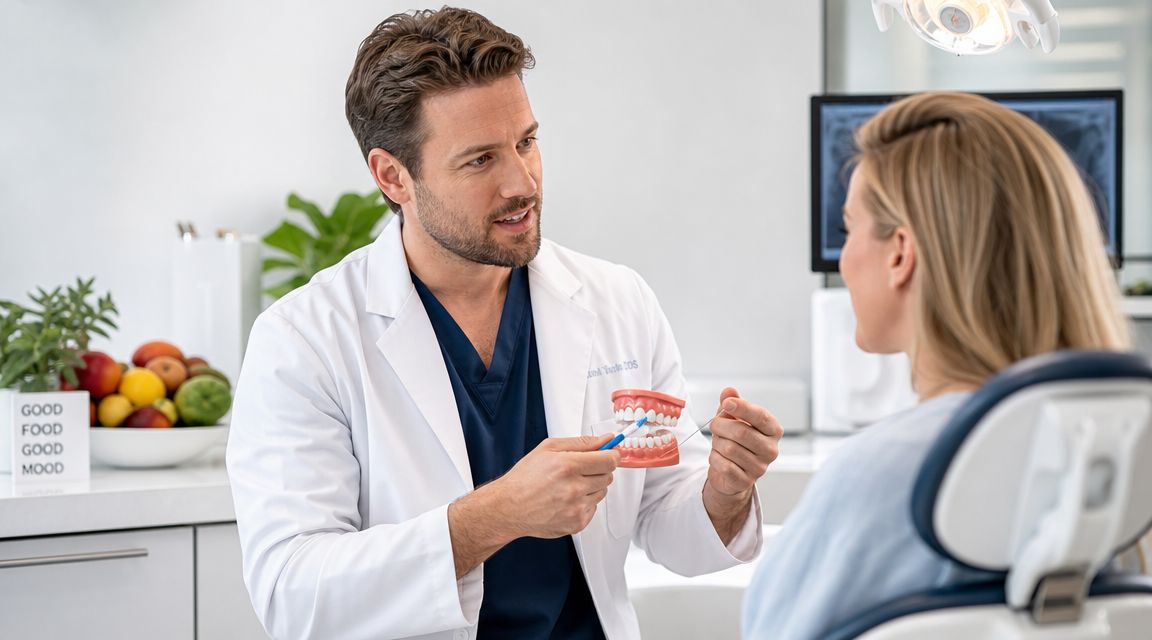
Your home routine is the foundation. Professional care adds support, but the daily pattern is what shapes the mouth's environment hour by hour. Plaque works like a film that keeps rebuilding. Saliva helps buffer acids. Sugar and dry mouth can tip the balance the other way.
If your routine feels inconsistent, simplify it first.
Small changes matter.
An integrated approach to oral health does not mean replacing tested prevention with internet trends. In a modern dental office, it means asking better questions and choosing tools with known benefit.
The CDC highlights proven public health measures in this CDC oral health equity overview. Community water fluoridation and dental sealants are part of what has helped reduce cavities across populations. That matters in everyday practice in Fair Lawn because the same principle applies one patient at a time. The goal is to lower risk early, before a tooth needs a filling, crown, or extraction.
A practical holistic dentistry service in Fair Lawn usually builds on these basics rather than replacing them. The philosophy is broader. The prevention still needs to work.
The best tooth to restore is the one that stayed healthy enough to never need treatment.
Home care and office care should fit together like two parts of the same plan. If brushing and flossing are your daily maintenance, professional services are the diagnostic and preventive checkpoints that help you stay ahead of problems.
Depending on your needs, that may include:
Services that patients sometimes label as separate from wellness can also belong in this plan. An implant can restore chewing and help keep nearby teeth from shifting. Cosmetic treatment can improve shape, close plaque-trapping areas, or make teeth easier to clean in the right case. In a whole-body model, the question is simple. Does this treatment improve health, function, comfort, or long-term stability?
This short video gives helpful context for thinking about oral health from a broader wellness perspective.
A good dental office should feel less like a menu of procedures and more like a place where each recommendation fits into one clear health plan. In Fair Lawn, that means looking beyond a single tooth and asking a wider set of questions. Will this treatment help you chew comfortably, reduce inflammation, protect nearby teeth, and stay maintainable over time?

Preventive and restorative services still form the foundation of care. Cleanings, exams, gum evaluations, tooth-colored fillings, crowns, bridges, and root canal treatment all have a clear purpose. They help keep teeth functional, comfortable, and stable.
What changes in this model is how those services are delivered. A dentist is not only treating the cavity or irritated gum tissue in front of them. They are also asking why the problem showed up. Dry mouth, mouth breathing, clenching, bite imbalance, home care habits, medication side effects, and diet can all shape what happens in your mouth. Treatment works best when the cause is addressed along with the damage.
For patients who want to learn how this approach applies to daily care and treatment planning, whole-body focused dental care in Fair Lawn explains how oral health decisions can be made with overall wellbeing in mind, including digital tools and mercury-free considerations.
Cosmetic treatment should never ignore how the mouth works. Veneers, bonding, whitening, and gum reshaping can improve appearance, but they also need to respect enamel, bite forces, speech, and long-term cleaning.
That is often where patients get confused. They may assume cosmetic work is separate from health. In reality, the two often overlap. A well-shaped restoration can reduce plaque traps. A balanced smile design can help avoid uneven wear. The goal is not only a brighter smile. It is a smile that looks natural and also holds up in everyday life.
Replacing a missing tooth is about more than filling a gap. Whether the right solution is an implant, bridge, or denture, planning should take into account gum condition, bone support, bite pressure, and how easy the area will be to keep clean.
You can think of tooth replacement like repairing one part of a foundation. If the surrounding structure is ignored, the repair may not last as well as it should. In the mouth, nearby teeth, opposing teeth, and the jaw all share the workload. A carefully planned restoration helps protect that system instead of placing new stress on it.
Some services matter because they reveal patterns, not just because they treat symptoms. Digital scanning, facial analysis, and other modern tools can help a dentist study how your teeth come together, where wear is happening, and whether a restoration or cosmetic change will fit your bite properly.
Jaw discomfort, clenching, headaches, and sleep-related concerns also belong in this conversation. The mouth often shows early signs of strain. Flattened teeth, fractured fillings, sore muscles, and certain wear patterns can point to a problem that affects daily comfort well beyond the dental chair.
At a patient-centered office in Fair Lawn, technology and treatment options support careful decision-making. They do not replace it. The value comes from using those tools to create care that is precise, conservative where possible, and individualized for the person rather than the procedure.
A first visit should feel more like a conversation than a sales pitch. If you've avoided care for a while, or if you've had rushed appointments in the past, this difference matters.
You'll usually begin with a detailed review of your dental history, current concerns, and broader health picture. That may include questions about gum bleeding, sensitivity, clenching, sleep habits, dry mouth, past restorations, cosmetic goals, and any worries you have about materials or treatment pace. If you came in because of pain, a broken tooth, or concern about a possible tooth extraction, those needs come first.
A whole-body dental exam still looks carefully at your teeth and gums, but it also pays attention to patterns. Are certain teeth wearing faster than others? Is there evidence of grinding? Does your bite look stable? Are there signs that inflammation keeps returning in the same areas?
You may also have digital imaging or scans if clinically needed. The point isn't to add extras. The point is to gather enough information to make your treatment plan make sense.
Many anxious patients feel better once they understand the “why” behind each recommendation.
At the end of the visit, the next step should be clear. Some patients need prevention and monitoring. Some need periodontal therapy. Some are ready for cosmetic work, implant planning, or orthodontic treatment. Others need urgent repair and then a longer prevention plan afterward.
The most reassuring first appointment is one where you leave understanding what's active, what can wait, and how your oral health plan supports your broader comfort and wellness.
Patients in Fair Lawn often ask a practical question first. What does this approach change in the dental chair? In many cases, the services look familiar. The difference is how decisions are made, how your health history is considered, and how treatment is planned with long-term comfort, function, and prevention in mind.
Insurance usually pays based on the service provided and the details of your plan, not the label a practice uses. Cleanings, exams, fillings, crowns, gum treatment, and other common procedures may be covered according to your benefits. A helpful office should be able to explain what is likely covered before treatment starts.
Biocompatible means a material is chosen to work well in the mouth while also fitting the patient's needs, sensitivities, and treatment goals. A simple way to understand it is to think about how a shoe should fit both the foot and the person wearing it. In dentistry, that may mean discussing mercury-free and tooth-colored materials, how strong the material is, where it will be placed, and how it supports the tooth over time.
Yes, if it is grounded in evidence-based care. For families, that usually means prevention first. Regular exams, cleanings, cavity-risk guidance, sealants when appropriate, and coaching on home habits all fit well within an integrated model. The goal is thoughtful care that makes sense for each age and stage.
Yes. Cosmetic treatments and implants can be part of this model if they support oral health, comfort, and long-term function, not appearance alone.
No. Many patients prefer clear, science-based treatment and still value this approach because it connects oral health with the rest of the body. That does not mean replacing proven dentistry with untested remedies. It means choosing care with a wider lens, so concerns like inflammation, dry mouth, bite stress, sleep habits, and medical history are part of the conversation.
If you're looking for thoughtful, evidence-based dental care that considers the whole picture, Dental Professionals of Fair Lawn offers appointments for patients in Fair Lawn, Ridgewood, Glen Rock, and nearby New Jersey communities. Whether you need preventive care, cosmetic dentistry, dental implants, emergency treatment, or a new patient consultation, you can contact the office to schedule a visit and discuss a care plan that fits your health goals.