Emergency Dental Care Pediatric: Fair Lawn Emergency
Get urgent emergency dental care pediatric help in Fair Lawn, NJ. Find immediate first-aid steps & contact Dental Professionals of Fair Lawn now.
Get urgent emergency dental care pediatric help in Fair Lawn, NJ. Find immediate first-aid steps & contact Dental Professionals of Fair Lawn now.
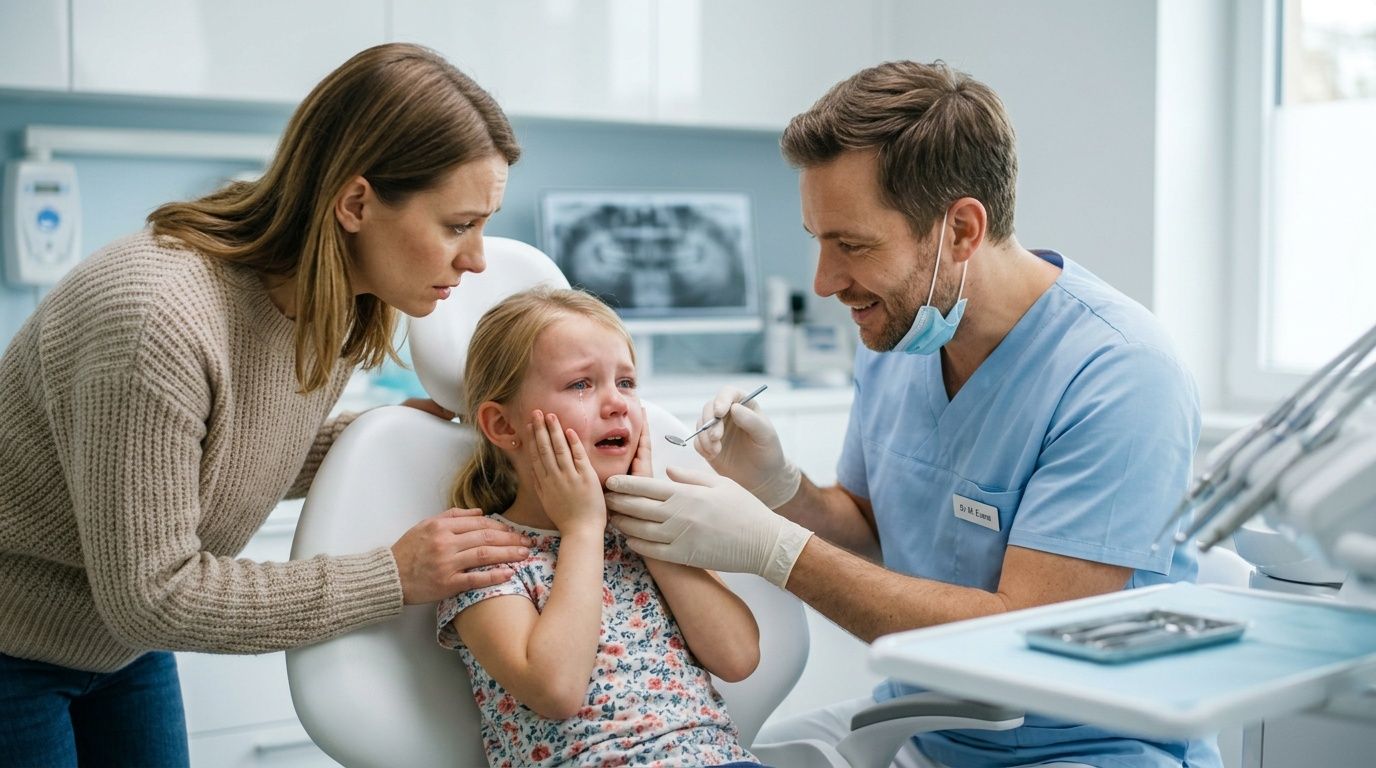
Your child slips on the stairs, bumps a front tooth, and suddenly there's blood, tears, and a level of panic no parent wants to feel. In that moment, you're not looking for a textbook explanation. You need to know what to do right now, what can wait, and where to get the right kind of help in Fair Lawn.
That's where clear emergency dental care pediatric guidance matters. Fast action can protect a tooth, reduce pain, and keep a frightening moment from turning into a longer problem. Just as important, the way a child experiences that first emergency can shape how they feel about dental visits afterward.
A pediatric dental emergency rarely arrives at a convenient time. It happens after school, during a game, at dinner, or right before bed. A child may chip a tooth on the playground, wake up with swelling, or bite through a numb lip after treatment elsewhere and leave everyone upset and unsure what to do next.
Parents often feel torn between two instincts. One is to rush to the nearest emergency room. The other is to wait and hope it settles down. Neither response is always right. Tooth injuries and dental infections need a more specific plan.
Preventable dental problems send many children into urgent care settings when regular dental treatment would have been the better path. Research highlighted by CareQuest's report on pediatric emergency dental use in Florida found that Florida hospitals billed nearly $550 million in 2021 for non-traumatic dental conditions, many of which could have been avoided with routine preventive care.
That matters because emergency rooms usually aren't set up to treat the underlying dental problem. They can help with immediate medical risk and pain control, but they often can't provide the tooth-specific treatment a child needs.
Practical rule: If the problem is centered on a tooth, gum, filling, crown, or mouth pain without a larger medical emergency, a dentist is usually the more useful first call.
Most childhood dental emergencies fall into a few recognizable categories:
The first job is simple. Slow the scene down. Get your child sitting upright, take a quick look under good light, and decide whether you're dealing with bleeding, a tooth injury, swelling, or severe pain.
Children take their cues from the adult in front of them. If you speak slowly, use short sentences, and focus on one step at a time, they usually settle faster. That doesn't erase the injury, but it makes first aid easier and helps your child cooperate once professional care begins.
Families in Fair Lawn, Ridgewood, and Glen Rock often need both kinds of support at once. Immediate practical steps for the injury itself, and a steady approach that keeps a scared child from feeling overwhelmed.
The first few minutes matter. Good first aid won't replace treatment, but it can limit damage and make the next step easier for your child and your dentist.
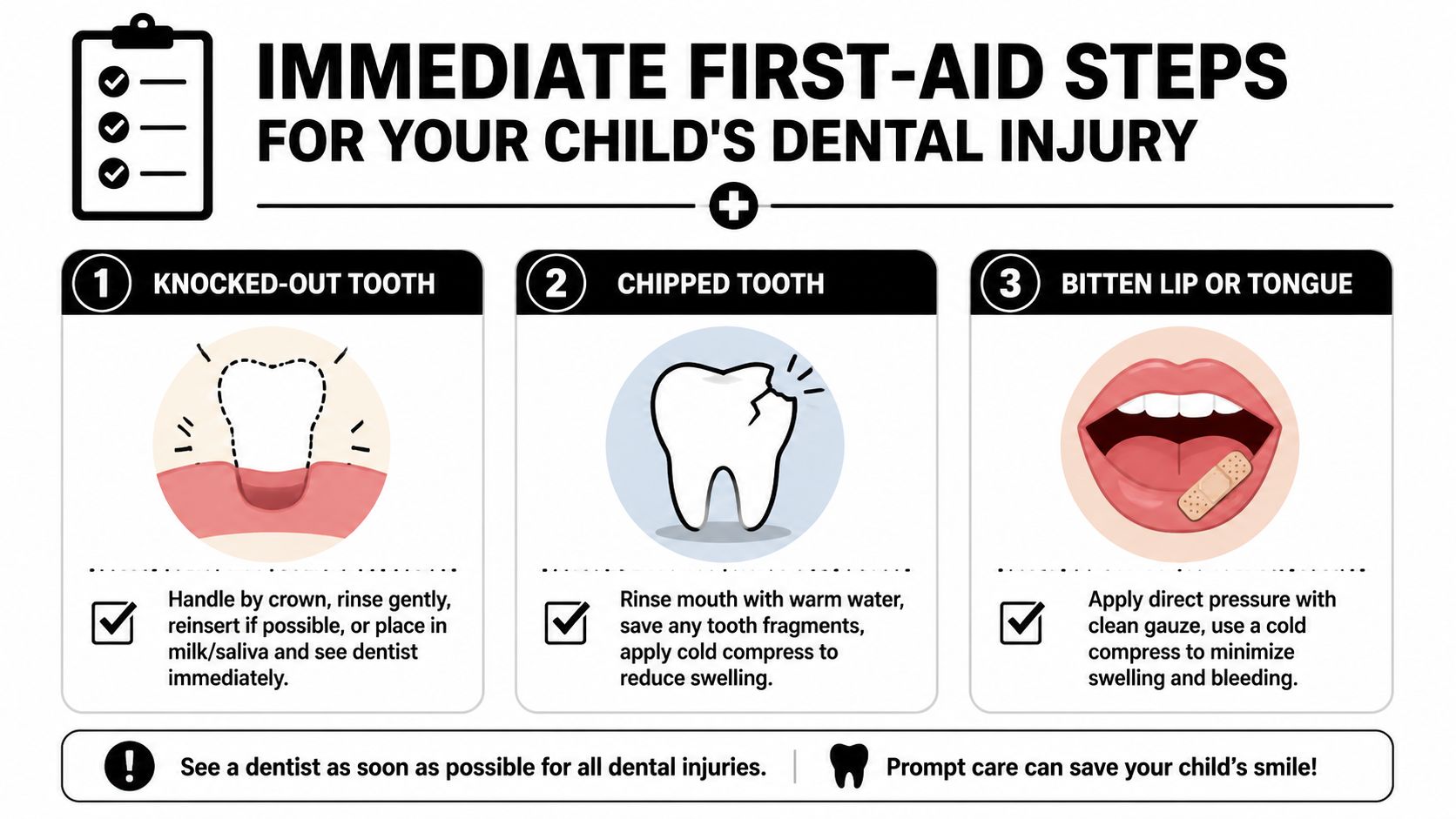
This is the injury that creates the most panic. Stay focused on handling the tooth correctly.
If it's a baby tooth, don't try to force it back into place. That can interfere with the developing adult tooth underneath.
Hold the tooth like you'd hold a fragile ornament. Firm enough not to drop it, gentle enough not to damage what you're trying to save.
A chipped tooth can look worse than it is, but some fractures run deeper than parents expect.
A small enamel chip may be stable for a short time. A larger break with sensitivity, visible yellow or pink inside the tooth, or pain when air touches it needs prompt care.
Even baby teeth matter. They help with comfort, speech, eating, and guiding permanent teeth into position.
Oral tissues bleed easily, so even a small cut can look dramatic.
Use clean gauze or a clean washcloth and apply direct pressure. Keep pressure steady for several minutes. If your child keeps peeking, talking, or pulling the gauze away, the bleeding often restarts.
A cold compress on the outside of the face can also help reduce swelling.
| Area | What you may notice | First step |
|---|---|---|
| Lip or cheek | Visible cut, swelling | Direct pressure and cold compress |
| Tongue | Ongoing oozing after biting | Direct pressure if your child allows it |
| Gum around a tooth | Blood near a loose or injured tooth | Gentle pressure and dental evaluation |
If bleeding won't stop, or if there's a large facial injury, that shifts toward emergency room care.
A toothache often means inflammation, decay, or infection. It can also follow trauma.
Try this sequence:
Don't put aspirin directly on the gum. It can irritate tissue and won't fix the source of the pain.
Don't wiggle it to “see how bad it is.” That usually adds pain and can worsen the injury.
Instead:
This is common after falls and after dental numbness.
Children sometimes keep re-biting numb tissue because they don't understand what happened. If that's the cause, keep them from chewing until the numbness fades.
The hardest decision for many parents isn't whether the problem is serious. It's where to go. The answer depends on whether your child has a dental emergency, a medical emergency, or both.
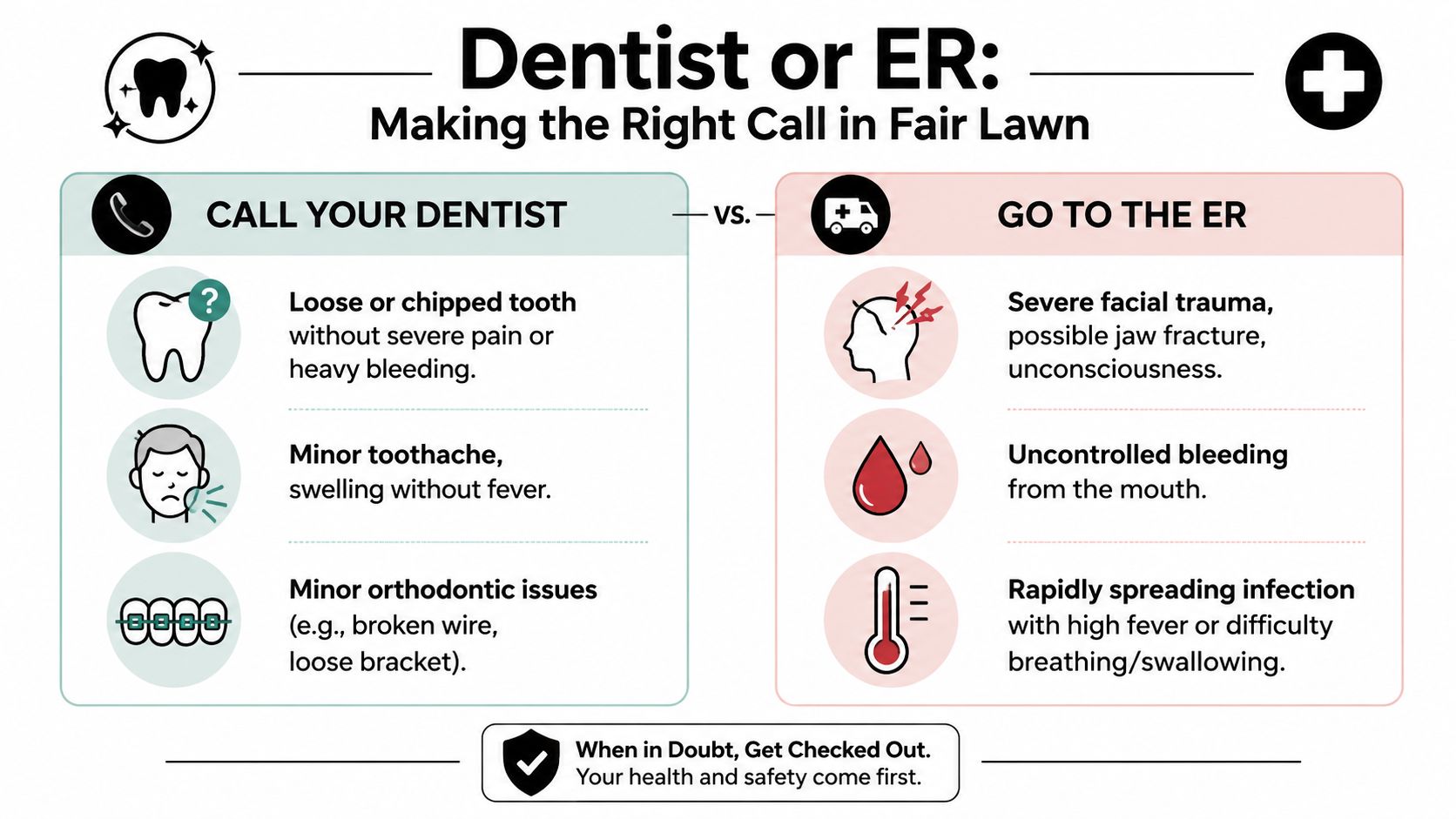
A dental office is usually the right place for problems like these:
Dentists have the tools to examine the tooth itself, take dental X-rays, check the bite, and decide whether the problem needs stabilization, restoration, extraction, or follow-up monitoring.
Go to the emergency room if your child has:
| Go to the ER | Why it matters |
|---|---|
| Uncontrolled bleeding | A larger soft tissue injury may need medical management |
| Loss of consciousness | Head injury takes priority |
| Suspected jaw fracture | Facial trauma may involve bone and airway concerns |
| Difficulty breathing or swallowing | This can signal a spreading infection or swelling that needs urgent medical care |
| Rapid facial swelling with fever | A serious infection may require hospital-level care |
If the injury involves the head, neck, airway, or major bleeding, treat it as a medical emergency first.
When dental offices became less accessible during the pandemic, hospitals felt that gap immediately. The ADEA Bulletin summary of pandemic-related pediatric dental access findings reported that pediatric ER visits for non-traumatic dental issues surged by 62% during dental practice closures. That's a reminder that hospitals often become the default when dental care isn't readily available, even though they usually aren't the most effective place for tooth-specific treatment.
If you need help deciding what your child's symptoms mean, this emergency dental care near me resource from Fair Lawn gives a practical overview of common urgent dental situations and when to seek immediate treatment.
A scared child can make a manageable dental injury feel impossible. The pain matters, but the fear often drives the scene. Children cry harder, resist looking in the mirror, clamp their mouths shut, or refuse to get in the car. Parents then feel pressured to rush, plead, or bargain.
That emotional spiral can delay care. A study summarized in this discussion of pediatric dental emergency anxiety found that 68% of parents said their child's fear delayed emergency care, and children with unmanaged anxiety after a dental emergency were 3 times more likely to avoid future dental visits.
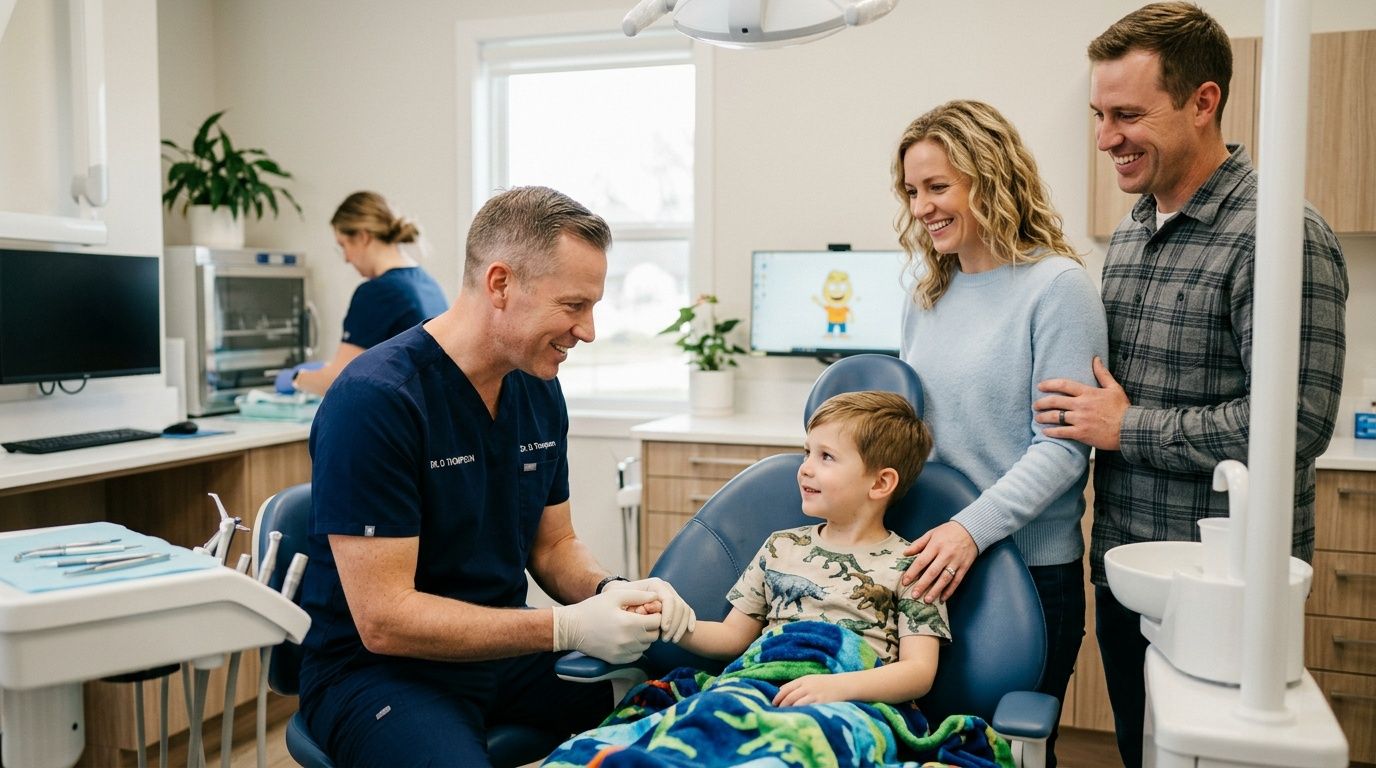
Children respond better to short, confident language than to long explanations.
Try phrases like:
Avoid saying “It's fine” when your child knows it doesn't feel fine. Avoid using punishment or blame, even if the injury happened during rough play. The goal is cooperation, not correction.
A child in pain often feels powerless. Give small choices that don't interfere with care.
For example:
Those choices reduce resistance because the child is participating rather than being managed.
Your tone is part of first aid. A slower voice and a simple plan usually work better than repeated reassurance.
Children notice your face before they understand your words. If you look alarmed, they read danger. That doesn't mean you need to pretend nothing happened. It means narrowing your focus to the next useful step.
After you've cleaned the area and stabilized things, prepare your child for what comes next in plain language. “The dentist will look, take pictures of the tooth, and help stop the pain” is better than “I hope they don't have to do anything.”
This short video can also help parents think about comfort and communication during a child's dental visit.
Some children aren't just nervous. They're overwhelmed by the sounds, the memory of the accident, or the idea of anyone touching the sore area. In those situations, comfort measures inside the office matter as much as the procedure itself.
For families dealing with intense anxiety, this sedation pediatric dentistry information for Fair Lawn patients explains how sedation may help children tolerate needed treatment more comfortably and with less distress.
Most parents relax once they know how the visit will unfold. A pediatric dental emergency feels less chaotic when there's a clear sequence and your child knows what to expect.
The visit usually starts with the phone call. Be ready to describe what happened, when it happened, whether there's swelling or bleeding, and whether the injured tooth is a baby tooth or a permanent tooth if you know. If a tooth fragment or a knocked-out tooth has been saved, mention that too.
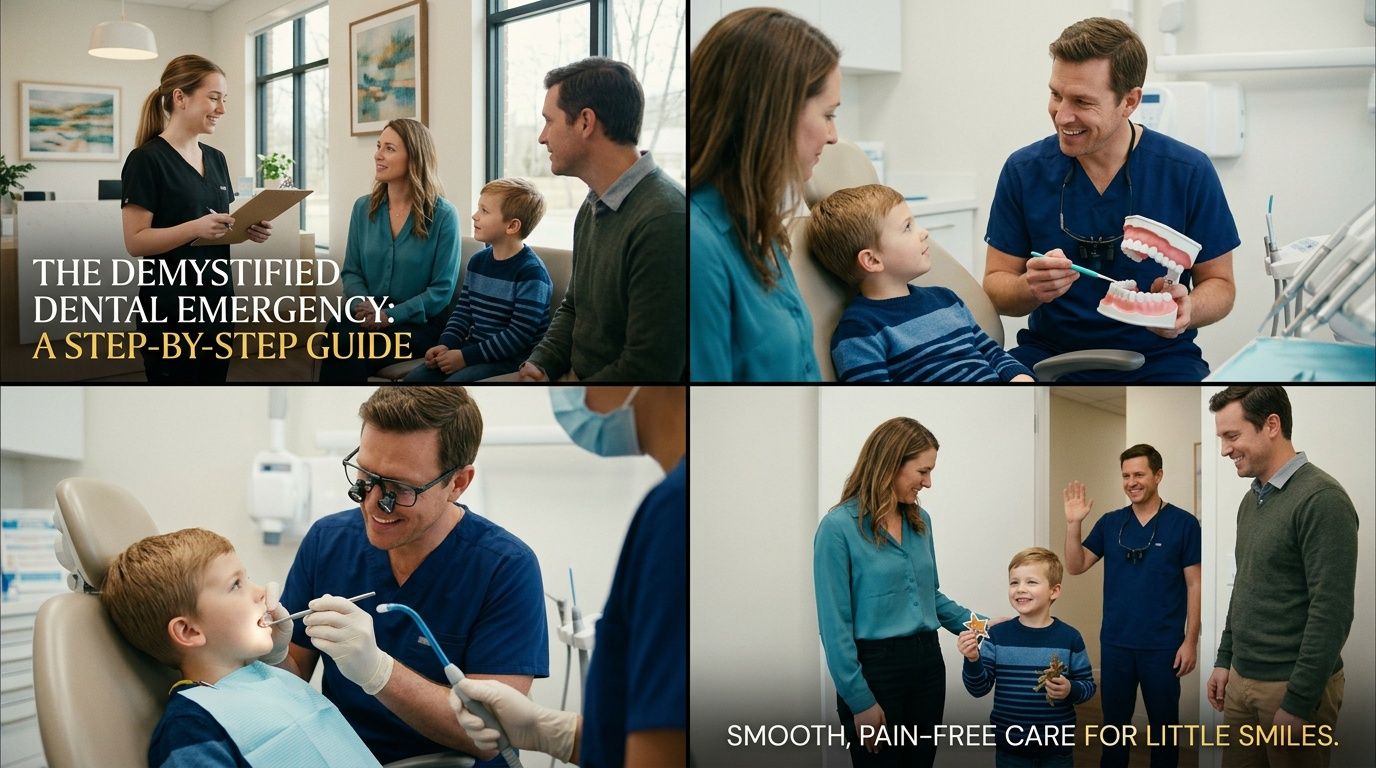
Children do better when the first few minutes feel organized. The team will usually focus on comfort and triage first, then on diagnosis.
That often includes:
A loose baby tooth, a deep fracture, and swelling from infection don't get managed the same way. The right treatment depends on the actual cause.
Your child may need one or more of the following:
| Situation | Possible in-office response |
|---|---|
| Chipped or fractured tooth | Smoothing sharp edges, bonding, or temporary protection |
| Tooth pain from decay or inflammation | Evaluation, pain-focused treatment, and a plan to address the source |
| Infection or swelling | Urgent assessment and treatment planning |
| Tooth that can't be saved | Tooth extraction when necessary |
| Significant anxiety during care | Comfort techniques and possible sedation support |
This is one area where Dental Professionals of Fair Lawn can be relevant for local families because the practice offers emergency treatment, digital diagnostics, restorative care, tooth extraction, and sedation dentistry within one setting.
Emergency relief is only the first step. A child may stop hurting after the immediate problem is stabilized, but that doesn't always mean the tooth is fully out of danger.
A published analysis of pediatric dental emergency follow-up patterns found that 94% of children were told to return for follow-up, yet only 72% did. The same summary notes that practices integrating sedation and digital scheduling can raise adherence to above 80%, which supports better long-term outcomes.
A child who feels better may still need the second visit. The follow-up is often where healing, monitoring, and final treatment actually happen.
Bring a calm summary, not a long story. Tell the team:
That last detail helps more than parents expect. If your child is shy, sensory-sensitive, or very fearful, say it early. It changes how the visit is paced.
Most pediatric dental emergencies aren't completely random. They often grow out of the same patterns. Missed cleanings, untreated cavities, no mouthguard during sports, climbing on furniture, chewing ice, or using teeth to open packages.
A few habits lower the odds of another urgent visit.
The easiest emergency to manage is the one your family is already prepared for. Save your dentist's number in your phone. Keep basic supplies at home, like clean gauze, a small container, and a cold pack. Make sure your child has routine care, not just urgent care.
Families in Fair Lawn, Ridgewood, and Glen Rock often start by looking for a “dentist near me” only after something goes wrong. It's much easier on your child when there's already an established place for new patient exams, dental X-rays, cleanings and exams, restorative dentistry, and emergency treatment if needed.
If your child is in pain, has swelling, or has injured a tooth, don't wait and hope it settles on its own. Dental Professionals of Fair Lawn provides family dental care, emergency treatment, and comfort-focused options for children and adults in Fair Lawn and nearby communities. Call to schedule an appointment and get your child the right care as soon as possible.