Emergency Dental Care No Insurance in Fair Lawn, NJ
Facing emergency dental care no insurance in Fair Lawn, NJ? Find immediate pain relief and affordable payment options from our expert dentists today.
Facing emergency dental care no insurance in Fair Lawn, NJ? Find immediate pain relief and affordable payment options from our expert dentists today.
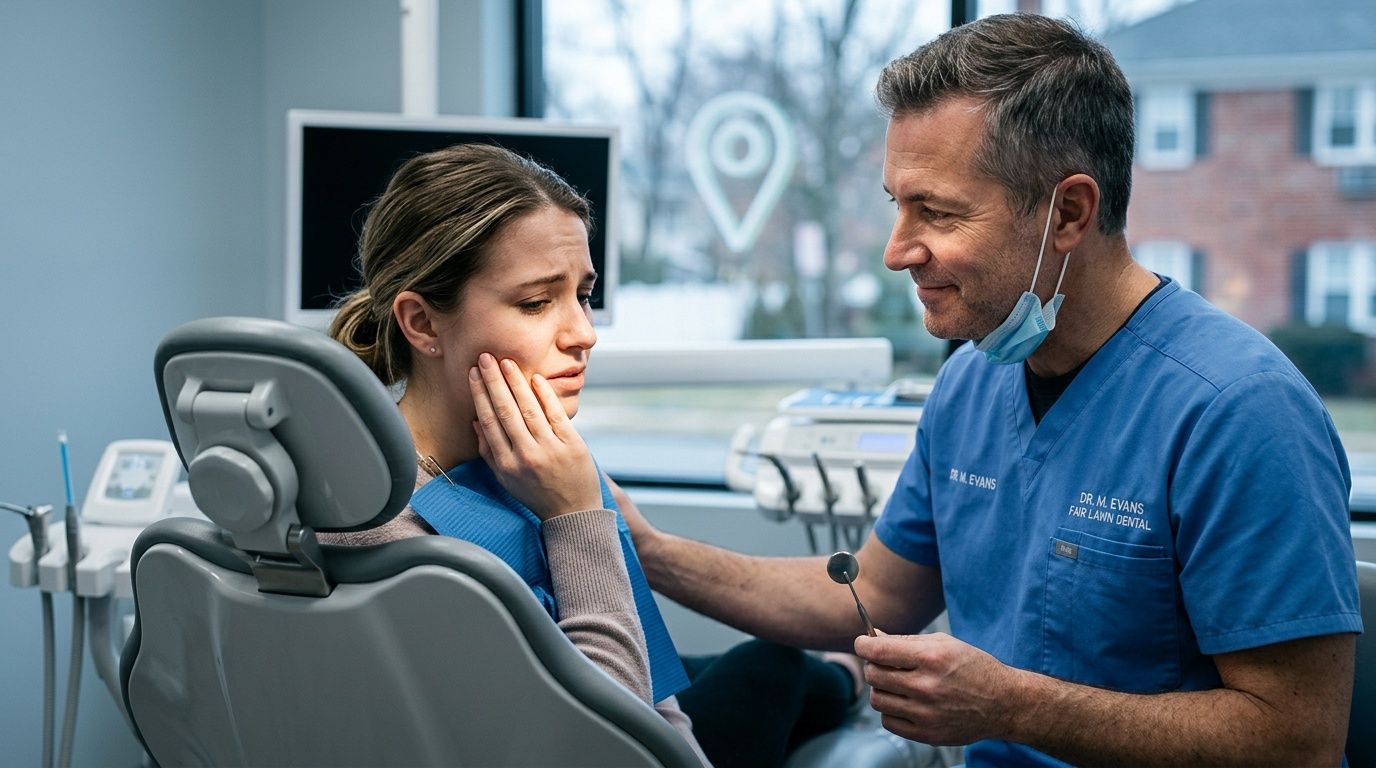
A dental emergency rarely happens at a convenient time. It often starts at night, over a weekend, or right before work, when a tooth suddenly throbs, a filling falls out, or swelling starts to build. If you don't have insurance, the pain and the money worry tend to hit at the same time.
For many people in Fair Lawn, Ridgewood, and Glen Rock, that creates a dangerous delay. They wait, hope it settles down, and try to get through another day. That usually makes things harder, not easier. Getting the right kind of care quickly matters, especially when the problem is infection, a fracture, or uncontrolled pain.
A common situation goes like this. You wake up at 2 a.m. with sharp tooth pain that wasn't there the day before. Cold water hurts. Biting hurts. You search for an emergency dentist near me and then stop when you remember you don't have dental coverage.
That hesitation is understandable. It's also one reason many uninsured adults end up in the wrong setting for dental pain. Uninsured adults in the United States are 5.2 times more likely to seek emergency department care for dental problems than people with commercial insurance, according to uninsured dental patient statistics.

Dental emergencies create two problems at once. First, there's the physical problem, pain, swelling, bleeding, or a broken tooth. Second, there's uncertainty about cost, timing, and whether you can get treated without insurance.
In practice, the most important first step is simple. Don't try to diagnose it alone. Call an emergency dentist in Fair Lawn as soon as symptoms start. A quick conversation can often tell you whether you need same-day care, what to do at home in the meantime, and whether your symptoms suggest something more urgent.
Practical rule: If pain is getting worse, swelling is spreading, or you can't chew normally, you need professional evaluation. Home remedies are temporary support, not treatment.
Many uninsured patients assume they should wait until the pain becomes unbearable. That approach often turns a smaller problem into a more complex one. The issues that deserve prompt attention usually include:
Emergency dental care no insurance doesn't have to mean guessing your way through a crisis. It means finding a practical path to relief, diagnosis, and a plan you can manage. In Fair Lawn, the right next move is usually a dental office, not a hospital, unless the problem affects breathing, involves major facial trauma, or won't stop bleeding.
Start with the simplest goal. Keep the area clean, reduce irritation, and avoid doing anything that makes the injury worse. These steps can help you get through the next few hours more safely while you arrange care.
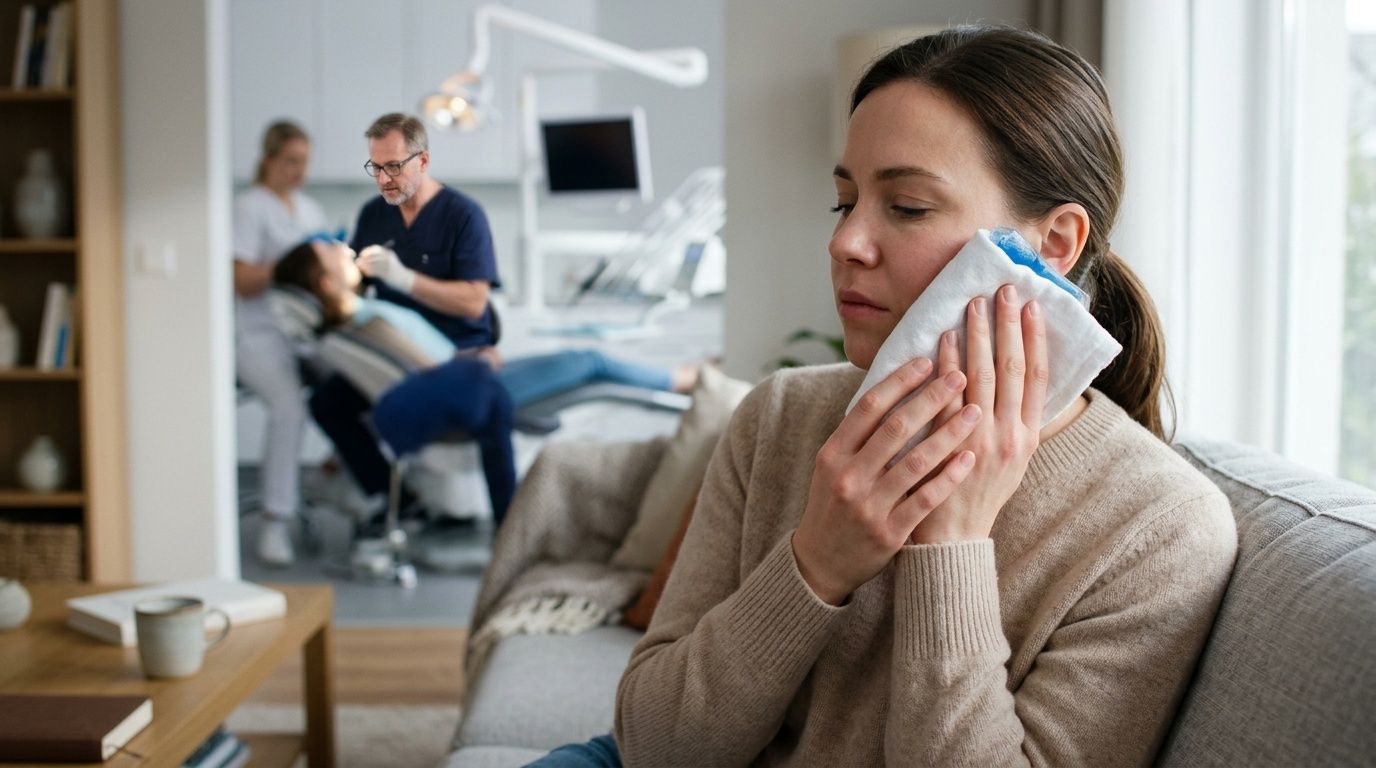
A toothache usually means inflammation, infection, decay, a cracked tooth, or pressure inside the tooth. The mistake people make is putting aspirin directly on the gum or tooth. That can irritate the tissue and won't solve the cause.
Try this instead:
Broken teeth can range from minor enamel chips to deep fractures involving the nerve. Even if the pain seems manageable, the tooth needs evaluation because cracks can spread.
Do these things now:
This short video explains the first response steps clearly:
This is one of the few dental situations where every minute matters. Handle the tooth carefully.
A knocked-out permanent tooth is not a wait-and-see problem. Call right away and head in.
A lost filling or crown exposes the tooth and often causes sensitivity to air, temperature, and pressure. Keep the area clean and avoid sticky or hard foods. If you still have the crown, bring it with you.
Temporary home care may help you stay comfortable, but it won't reseal the tooth properly. Professional evaluation is still necessary, especially if the tooth hurts when you bite.
The answer depends on one thing. Is this primarily a medical emergency or a dental emergency?
A hospital ER is the right place for severe trauma, difficulty breathing, uncontrolled bleeding, or swelling that threatens the airway. A dentist is the right place for most toothaches, abscesses, cracked teeth, broken restorations, and many oral injuries.

Use the ER for situations like these:
Most dental problems fall into this group:
The cost and outcome difference matters too. Nationwide, emergency room visits for dental conditions cost an average of $749 and usually provide temporary pain relief, while a visit to a dentist is typically one-third of the cost and provides definitive treatment, according to the ADA's emergency department referral overview.
| Consideration | Hospital ER | Emergency Dentist (Dental Professionals of Fair Lawn) |
|---|---|---|
| Best use | Life-threatening infection, trauma, uncontrolled bleeding, breathing issues | Tooth pain, fractures, infection source, lost restorations, extractions |
| What they can do | Stabilize, evaluate urgent medical risk, manage pain temporarily | Diagnose the tooth, take dental images, repair, extract, treat infection source |
| Typical result | Temporary relief, then referral for dental treatment | Definitive dental care plan, often same visit treatment |
| Cost reality | Higher average cost for dental complaints | Typically lower than ER care for dental problems |
| Follow-up need | Almost always still need a dentist | Treatment can begin immediately or be scheduled promptly |
If the problem is in the tooth, gum, or bite, a dentist is usually the most effective first call.
For someone searching emergency dental care no insurance in Fair Lawn, this decision can save both time and unnecessary expense.
The biggest fear for uninsured patients usually isn't the exam. It's the treatment that might follow. That's why the best financial plan starts with clarity. You need to know the diagnosis, your options, and which path gets you out of pain without creating a larger financial mess.

For urgent treatment, the most practical solution is often financing through the office. Without insurance, common procedures can be costly, but financing options like CareCredit offer 0% interest plans for 6 to 24 months on charges over $200, as described in this guide to seeing a dentist without insurance.
That matters because delay has a cost too. A tooth that might be restorable today can become an extraction problem if infection or fracture progresses.
Here are the main options most patients consider:
Community resources can help, but they aren't always ideal for urgent pain. Free and reduced-cost settings may have waitlists, eligibility rules, or limited appointment windows. For someone trying to work, care for children, or manage transportation, those delays can turn a treatable problem into a bigger one.
A structured financing page like the one on dental financing options in Fair Lawn gives patients a clearer sense of what can be arranged directly through a local office.
Financial perspective: The right payment plan doesn't just spread out the bill. It helps you treat the problem while it's still simpler.
If your emergency is connected to an accident or injury claim, it can also help to understand how to include healthcare costs in settlement. That kind of guidance can be useful when dental bills overlap with broader medical expenses.
Many people avoid calling because they don't know what the visit will feel like. They expect pressure, confusion, or a big decision before they've had a chance to breathe. A good emergency appointment should feel organized, calm, and transparent from the first phone call.
When you call, the front desk usually asks a few focused questions. Where is the pain? Is there swelling? Was there trauma? Are you bleeding? That helps the team determine how urgently you need to be seen and whether there are steps you should take before arriving.
Once you're in the chair, the early part of the visit should move efficiently. The team gathers health information, reviews symptoms, and takes any necessary images to identify what's causing the problem. With dental emergencies, guessing is risky. A cracked tooth, abscess, failed filling, and bite trauma can all feel similar to the patient.
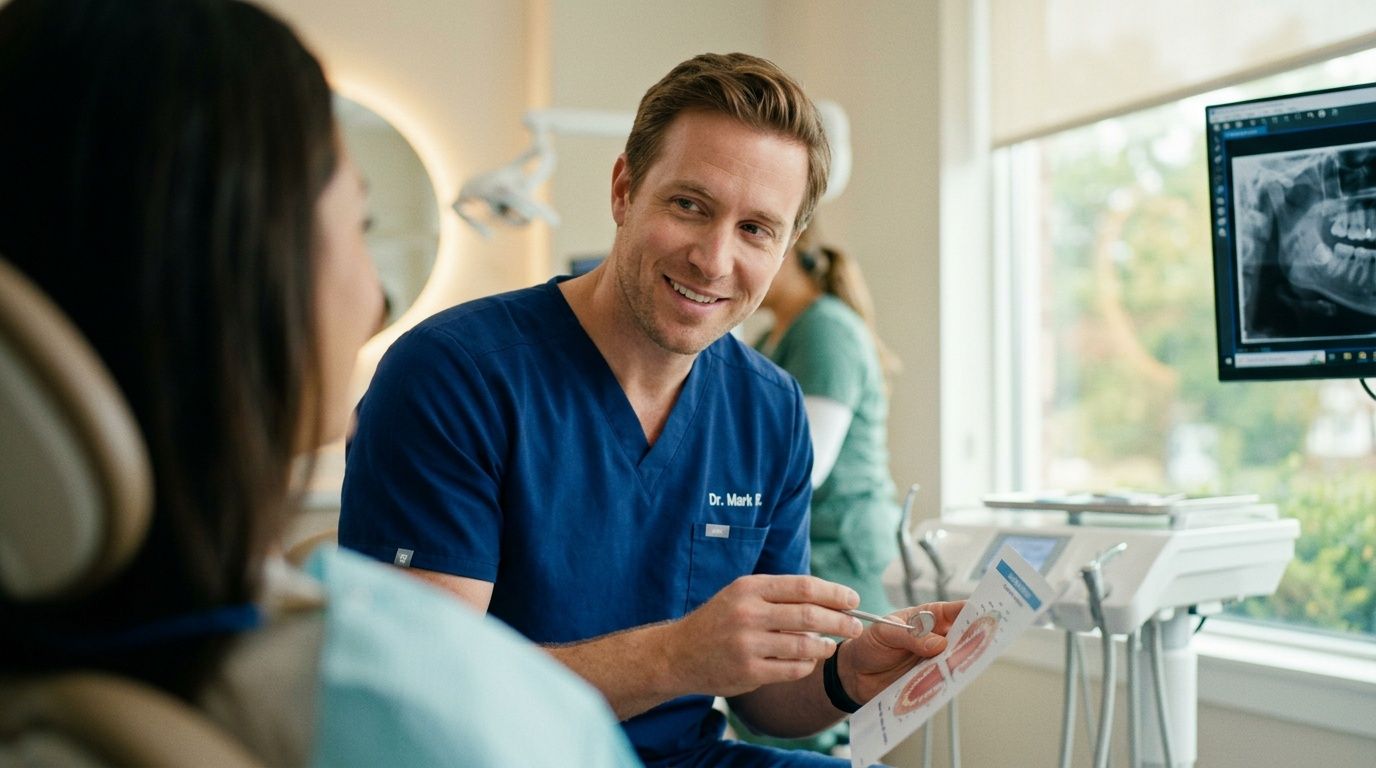
Then comes the most important part. You should get a clear explanation of the diagnosis, the immediate treatment choices, and the cost discussion before treatment starts, except in situations where urgent stabilization has to happen first.
Dental emergencies aren't only painful. They're stressful. Patients who already feel anxious often put off care longer, which usually means the visit becomes more complicated than it needed to be.
For that reason, comfort options such as sedation dentistry can make a major difference for the right patient. If fear has kept you from seeing a dentist in Fair Lawn, NJ, it's worth asking what comfort measures are available during emergency care and follow-up treatment.
A helpful overview of emergency dental services in Fair Lawn can also answer practical questions before you come in.
Immediate pain relief is only part of the job. Research summarized in emergency treatment success and long-term follow-up data found that 93.3% of patients accept immediate emergency treatment, but only 14% establish long-term care. The better approach is to use the emergency visit as the start of a healthier routine, not a one-time patch.
If you're self-employed or paying cash for most healthcare, broader budgeting advice can help too. This resource on managing urgent care expenses for self-employed patients can be useful when you're comparing dental and medical out-of-pocket costs.
Pain relief feels urgent because it is urgent. But stopping at pain relief is where many people get trapped. The tooth feels a little better, life gets busy again, and the deeper issue remains.
That's a serious problem with emergency-driven care. Only 31% of patients referred from an ER for a dental emergency follow up for definitive treatment, according to this study on emergency dental referral follow-up. Cost anxiety was one of the reasons people didn't complete care.
An emergency visit often handles the immediate crisis. It doesn't always finish the full job. Infection may need further treatment. A broken tooth may need a crown after initial stabilization. An extraction may need a tooth replacement plan so the bite doesn't shift.
When patients skip that next phase, a few things tend to happen:
Relief is the first step. Resolution is the goal.
A lasting plan doesn't need to be complicated. It needs to be realistic and followed through. For most patients, that means:
If you care for a family, this matters even more. Children, teens, and adults all benefit from having one reliable dental home instead of reacting only when something hurts.
Some practices use stronger communication and follow-up systems to help patients stay on track. Even outside dentistry, support tools such as healthcare VAs for better patient outcomes show how proactive reminders, scheduling help, and patient communication can improve continuity of care. In dental settings, that same principle matters. Patients are more likely to complete treatment when the next step is clear and easy to act on.
Emergency dental care no insurance should not end with a temporary fix and another crisis a few months later. The most affordable dentistry is usually the care that prevents the next emergency.
If you're in pain and need help now, contact Dental Professionals of Fair Lawn. The team provides emergency dental care for patients in Fair Lawn, Ridgewood, Glen Rock, and nearby New Jersey communities, with compassionate guidance, clear treatment planning, and financing options to help you move from urgent relief to lasting oral health.