Benefits of Deep Cleaning the Teeth | Fair Lawn, NJ Dentist
Explore the benefits of deep cleaning the teeth with Dental Professionals of Fair Lawn. This treatment for gum disease can save your smile. Call our NJ office!
Explore the benefits of deep cleaning the teeth with Dental Professionals of Fair Lawn. This treatment for gum disease can save your smile. Call our NJ office!
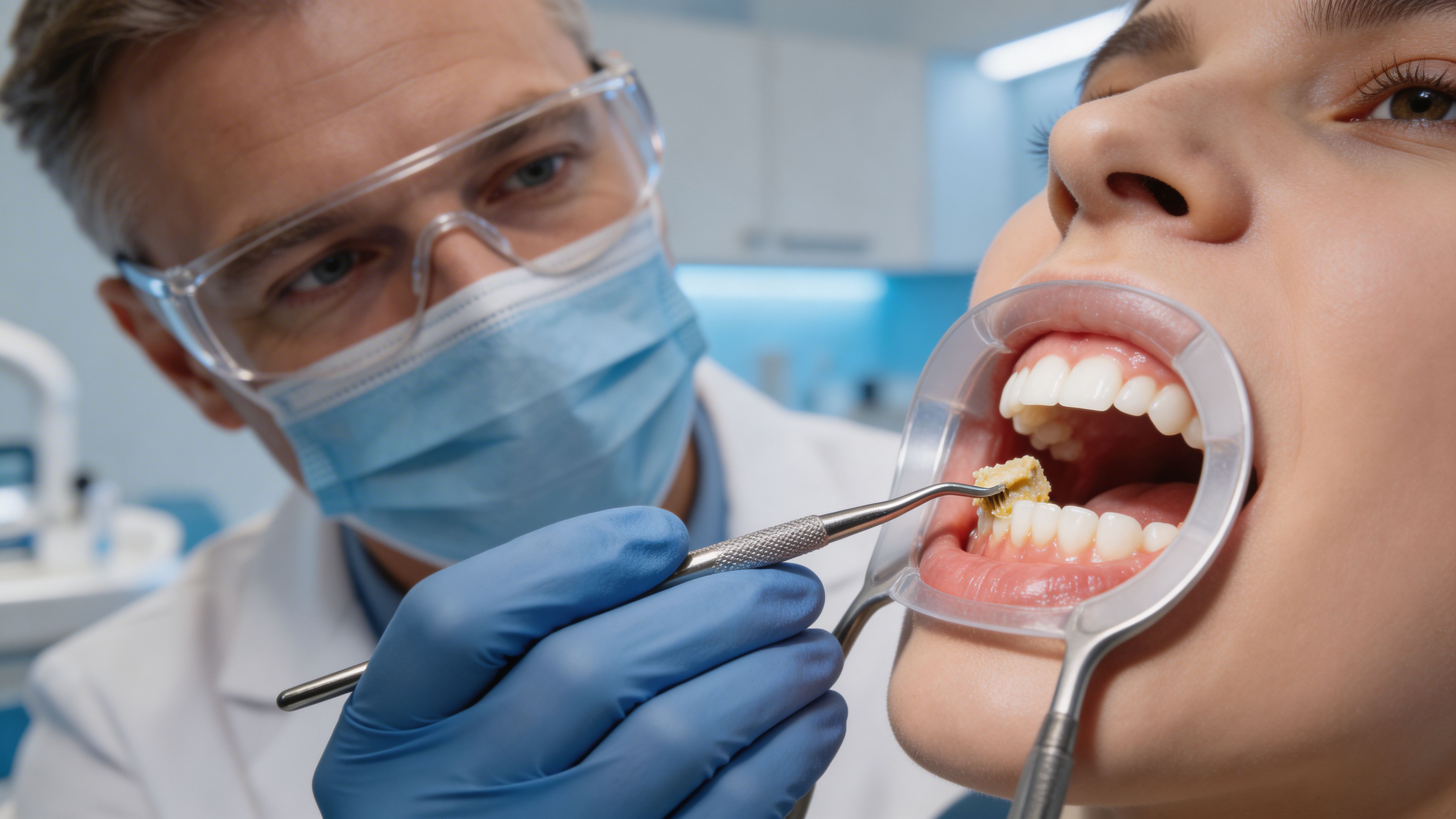
Bleeding when you brush. Breath that never feels fresh for long. Gums that look puffy, tender, or darker red than they used to. These are common reasons people from Fair Lawn come in for a new patient exam, often worried they have done something wrong.
Most of the time, they have not failed their teeth. They are dealing with gum disease, and gum disease is common. The good news is that when we catch it early, we can often stop it and help the mouth heal. That is where the benefits of deep cleaning the teeth become significant. This is not about making your smile look polished for a day. It is about protecting the bone, gum tissue, and teeth you want to keep for life.
A patient often notices the problem long before hearing the term periodontitis. It starts small. Brushing leaves pink in the sink. Flossing feels uncomfortable, so it happens less often. Breath mints become routine. Then one day the gums look lower around a few teeth, or a tooth feels different when chewing.
That pattern matters because gum disease does not always hurt in the beginning. It often stays quiet while inflammation builds under the gumline.
Gingivitis is the early stage. The gums become irritated by plaque and tartar, and the tissue reacts with redness, swelling, and bleeding. If that infection stays in place, it can move deeper and begin affecting the structures that support the teeth.
Common warning signs include:
Bleeding during brushing or flossing: Healthy gums should not bleed regularly.
Persistent bad breath: Bacteria below the gumline often create an odor that mouthwash cannot solve.
Tender or swollen gums: Inflamed tissue is a sign the body is reacting to infection.
Gums that seem to pull away from the teeth: This can signal deeper periodontal involvement.
Some patients also come in with facial tension or clenching discomfort and do not realize inflamed gums can add to overall oral discomfort. If jaw symptoms are part of what you are feeling, this plain-language resource on jaw pain and TMJ disorders helps explain why symptoms in the mouth and jaw often overlap.
If your gums bleed often, the right response is not to stop brushing that area. It is to find out why the tissue is inflamed.
Once gum inflammation deepens, the issue is no longer cosmetic. The infection can begin to affect attachment around the teeth. That changes the conversation from “Do I need a cleaning?” to “How do we stop this from progressing?”
For patients in Fair Lawn, Ridgewood, and Glen Rock, the first step is a careful exam with measurements, X-rays when needed, and a clear treatment plan. Sometimes improving home care is enough in the earliest stage. In other cases, a therapeutic deep cleaning is the correct next step. If you want supportive habits to pair with professional care, our guide on how to improve gum health naturally is a good place to start.
People usually feel relief once they understand what is happening. Gum disease is treatable. It just needs the right level of care at the right time.
A deep cleaning, also called scaling and root planing, is a non-surgical periodontal treatment. It removes plaque, tartar, and bacteria from below the gumline and smooths the root surfaces so the gums can heal against clean tooth structure.
It is different from the cleaning you receive at a routine preventive visit. A regular cleaning focuses on the surfaces above the gums. A deep cleaning goes into the infected pocket spaces where a toothbrush and floss cannot reach.
When gum disease creates deeper pockets around a tooth, bacteria and hardened tartar collect under the gums. Once that happens, polishing the visible part of the tooth does not solve the problem below.
Deep cleaning is recommended when the tissue shows signs of active disease. According to this overview of deep teeth cleaning frequency, periodontal disease affects approximately 47.2% of adults over 30 in the United States, and scaling and root planing is used for periodontal pockets of 4 mm or greater to remove infection-causing tartar and help gums heal and reattach to the tooth roots.
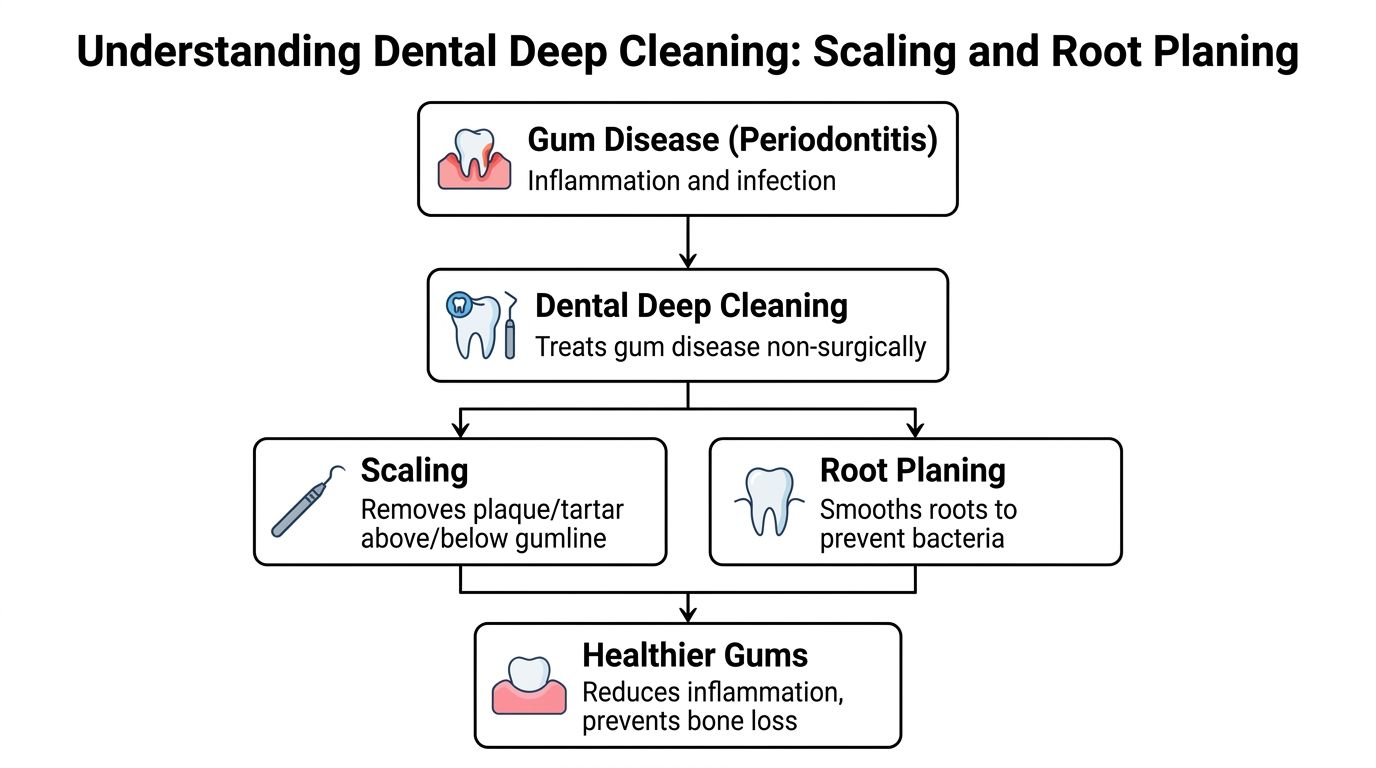
A simple way to think about it is gardening. If weeds spread below the surface, trimming the top of the garden does not fix the roots of the problem. You have to remove what is buried and clean the area so healthy growth can return.
In dental terms:
The treatment is therapeutic. It is done to control infection and inflammation, not just to make teeth feel smooth.
Deep cleaning is often completed in sections so you stay comfortable. Local anesthetic is typically used because the treatment goes below the gumline. Afterward, the gums need time to calm down and heal.
For patients who want more detail on the procedure itself, this page on scaling and root planing explains how the treatment fits into broader periodontal care.
A deep cleaning does not “cure” susceptibility to gum disease forever. What it does is remove the infection and give the mouth a chance to stabilize. That is why the procedure works best when paired with consistent home care and ongoing periodontal maintenance.
The biggest mistake patients make is thinking a deep cleaning is only about the gums. In reality, the benefits spread across comfort, appearance, function, and long-term treatment success. When the infection under the gums is removed, the whole mouth becomes easier to maintain.

The first benefit is disease control. Deep cleaning removes the bacterial deposits that keep the gums inflamed and prevent healing.
Clinical evidence summarized by Oral-B in its explanation of deep cleaning teeth shows that scaling and root planing can reduce pocket depth by an average of 1 to 2 mm and improve attachment levels by up to 1 mm, with gum tissue often looking firmer and pinker within 4 to 6 weeks.
That matters because healthier attachment means the tissues around the tooth are more stable. A patient often notices:
Not every tooth responds the same way. Teeth with more advanced bone loss may still need further periodontal treatment. But for early-stage periodontitis, deep cleaning is often the step that stops the slide toward tooth mobility and extraction.
Patients do not usually book a deep cleaning for cosmetic reasons, but they often notice cosmetic improvement soon after healing begins.
Swollen tissue shrinks. The gums look less angry and more even. Surface stain and rough deposits are removed, so teeth often appear brighter and cleaner. The smile looks healthier because the frame around the teeth, the gum tissue, is healthier.
This is also why periodontal health matters before cosmetic dentistry. Veneers, bonding, whitening, and smile design all look better on a stable foundation. If the gums are inflamed, even beautiful dental work can be overshadowed by redness, bleeding, or uneven tissue.
Cosmetic dentistry looks its best when the gums are quiet, firm, and easy to keep clean.
Chewing comfort improves when inflamed tissues calm down. Brushing gets easier because the gums are less sore. Patients also find it easier to floss consistently once the tissue stops bleeding so readily.
There is another practical gain. Smooth root surfaces make it harder for bacteria to cling and easier for your hygienist to monitor changes at follow-up visits. That means small concerns can be identified early, before they become bigger restorative problems.
For patients already thinking about crowns, bridges, restorative dentistry, or even tooth replacement, deep cleaning often protects future options by preserving support around the teeth that remain.
The mouth is not separate from the rest of the body. Periodontal infection adds to the inflammatory burden in the body, and that is one reason dentists take gum disease seriously.
This overview of what happens when you get a deep cleaning teeth treatment notes that reducing harmful oral bacteria is linked with broader health benefits, including a 20 to 50% lower risk of cardiovascular events in meta-analyses connecting periodontitis and heart disease. The same source also notes that chronic periodontitis is prevalent in 10 to 15% of adults worldwide.
That does not mean a deep cleaning replaces medical care for heart disease, diabetes, or other conditions. It means controlling chronic infection in the mouth supports overall health instead of working against it.
A short explanation can help if you want to see the procedure discussed visually before treatment.
It is also important to be direct about limits.
Deep cleaning does not rebuild lost bone. It does not replace the need for daily brushing and flossing. It does not mean you can return to infrequent dental visits and expect the gums to stay stable.
What it does well is remove the source of active infection, reduce inflammation, and create conditions where healing can happen. For many patients, that is the turning point.
Some patients know they need periodontal care because another office told them so. Others are searching for a dentist near me in Fair Lawn because something feels off, but they are not sure what the problem is.
The easiest way to think about candidacy is this. If the gums are inflamed on the surface only, a regular cleaning may be enough. If the infection has moved deeper under the gumline, a deep cleaning may be the appropriate treatment.
| Symptom | What It Means for Your Health |
|---|---|
| Bleeding gums when brushing or flossing | Ongoing inflammation is present and should not be ignored |
| Red, swollen, or tender gums | The tissue is reacting to bacterial buildup |
| Persistent bad breath | Bacteria below the gumline may be contributing |
| Gums pulling away from teeth | The attachment may be changing, which can create deeper pockets |
| Teeth that feel loose or different when chewing | Support around the teeth may be compromised |
| Heavy tartar buildup or long gaps between cleanings | Hardened deposits can collect in areas home care cannot reach |
A few patterns make me especially cautious:
You avoid one area when brushing: Many patients do this because it bleeds or feels tender. Unfortunately, that lets more plaque stay in place.
Your gums looked healthy before and now seem lower: Gum recession or tissue changes deserve an exam, especially if they happened gradually.
You have dental work to protect: Crowns, bridges, orthodontic treatment, and implants all depend on stable gum health.
You have not had a cleaning and exam in a while: Missing routine care does not guarantee you need deep cleaning, but it increases the chance that tartar has spread below the gumline.
If any of these signs sound familiar in Fair Lawn, Ridgewood, or Glen Rock, the next step is not guessing. It is measuring the gums and checking the supporting bone.
Some people with gum disease have obvious symptoms. Others have very little discomfort. That is why periodontal charting and dental X-rays are part of a proper diagnosis.
A patient may tell me, “My teeth don’t hurt, so I thought everything was fine.” Pain is not the deciding factor. Gum disease is often about inflammation, bleeding, pocket depth, and support around the teeth. Those findings tell us whether you need a regular preventive cleaning, periodontal treatment, or a different restorative plan.
Most patients feel better about treatment once they know what the visit will be like. Anxiety tends to grow in the absence of specifics. A clear plan usually lowers it.
At Dental Professionals of Fair Lawn, the process starts with diagnosis, not assumptions. We examine the gums, review any relevant X-rays, note areas of bleeding or recession, and explain whether a deep cleaning is necessary or whether a standard cleaning will do the job. That distinction matters. Overtreating is not good care. Undertreating active periodontal disease is not good care either.
Deep cleaning is commonly completed in sections rather than all at once. That approach keeps the visit more manageable and allows us to numb the area being treated.
A typical visit includes:
A focused review of the treatment area: You should know which teeth and gum areas are involved and why.
Local anesthetic for comfort: Because treatment goes below the gumline, numbing is often the most practical way to make the appointment easier.
Scaling and root planing: Plaque and tartar are removed from deep pockets, and the root surfaces are smoothed.
Home-care instructions before you leave: You will know what sensitivity, tenderness, or mild bleeding may occur during early healing and how to care for the area.

Patients with dental anxiety often delay gum treatment longer than they delay other care. I understand that. Deep cleaning sounds unfamiliar to many people, and unfamiliar treatment can feel intimidating.
Comfort is not just about anesthetic. It is about pace, communication, positioning, and letting a patient know what sensation to expect before it happens. If you are curious about the practical side of reducing physical tension during appointments, this guide on how to make patients more comfortable at your dental practice touches on several useful ideas.
For anxious patients, sedation dentistry can also be part of the conversation. It does not change the reason for treatment, but it can make it much easier to complete the care you need.
Healing after a deep cleaning is usually straightforward. Gums may feel tender for a short time. Some patients notice temporary sensitivity to cold, especially where tartar had covered parts of the root. Teeth can feel “different” because swollen tissue has begun to tighten and settle.
That difference is often a sign of improvement, not a problem.
A few practical expectations help:
Keep up gentle home care: Cleanliness supports healing.
Follow specific instructions closely: If a rinse or other aftercare is recommended, use it as directed.
Return for re-evaluation: We need to confirm that the gums responded the way we expected.
The procedure is one step. The response of the tissue is the true test. At follow-up, we look for less bleeding, firmer tissue, and easier maintenance at home. If an area remains deep or inflamed, we discuss the next appropriate step instead of pretending the first treatment solved everything.
That kind of honesty builds trust. Good periodontal care is not dramatic. It is careful, methodical, and designed to protect your long-term oral health.
Deep cleaning becomes even more important when a patient is investing in more complex care. Healthy gums are not a side issue when you are planning implants, Invisalign, veneers, or other restorative treatment. They are the foundation those services depend on.
A crown can look excellent and still fail early if the surrounding gums stay inflamed. Orthodontic treatment can straighten teeth, but it does not remove periodontal infection. Implants need healthy surrounding tissue and bone support to stay maintainable.
Cleveland Clinic’s information on tooth scaling and root planing is relevant here because it notes that untreated periodontitis doubles orthodontic failure risk, is linked to peri-implantitis that affects 20% of implants, and has been associated with 25 to 30% improvement in sleep apnea AHI scores post-deep cleaning in mild cases.
That gives patients a more complete picture. Deep cleaning is not only about treating gum disease in isolation. It can also protect the success of other care.
For Invisalign or Six Month Smile patients, inflamed gums can complicate movement and make oral hygiene harder during treatment. If the supporting tissues are unhealthy, straightening alone does not fix the underlying problem.
For implant patients, maintenance becomes critical. Plaque around an implant is not harmless. If the tissue around an implant becomes chronically inflamed, the consequences can be serious. Deep cleaning, when indicated, supports the health of the tissues that help those restorations last.
This is also where many standard guides stop too soon. Patients often separate gum care from concerns like sleep quality, jaw tension, and inflammation elsewhere in the body.
In practice, those concerns often overlap. A patient managing clenching, a snore guard, or sleep apnea therapy still benefits from reducing the bacterial and inflammatory burden in the mouth. Deep cleaning is not a standalone cure for TMJ/TMD or sleep apnea, but healthier periodontal tissue can remove one source of chronic irritation from an already stressed system.
The most successful cosmetic and restorative cases usually begin with basic periodontal stability. Healthy gums make every other treatment easier to maintain.
For patients planning larger treatment, this is why I sometimes recommend addressing the gums first, even if the main complaint is cosmetic. It is not a detour. It is the groundwork.
Patients usually ask practical questions at this stage. That is appropriate. You should understand the commitment, the trade-offs, and what happens after treatment.
The cost depends on how many areas of the mouth need treatment, what diagnostics are required, and whether additional periodontal care is needed. The most accurate way to get a real answer is through an exam and treatment plan.
If cost is a concern, ask for a written estimate before scheduling. Financing options can also help spread out treatment when needed.
Many dental plans provide some level of coverage for scaling and root planing when the treatment is diagnosed as medically necessary. Coverage varies by plan, frequency limitations, and documentation requirements.
The practical approach is to verify benefits before treatment and ask the office to explain your expected portion clearly. Insurance does not decide whether you need care. It only affects how payment is structured.
The initial deep cleaning is not usually something repeated at every visit. After treatment, the important question becomes maintenance.
According to Periodontal Health Center’s discussion of benefits of deep cleaning teeth, patients with a history of periodontal disease typically need maintenance cleanings every 3 to 4 months, and this schedule is associated with 40% lower disease recurrence than standard 6-month checkups.
That interval is one of the most important long-term decisions in periodontal care. If your gums have already shown they are vulnerable, waiting too long between maintenance visits often allows the problem to return.
With local anesthetic, most patients tolerate the procedure well. Afterward, mild soreness or sensitivity is common for a short period. The discomfort from healing tissue is usually easier to manage than the ongoing inflammation caused by untreated gum disease.
Patients with anxiety should say so before the visit. Comfort strategies and sedation options may make the experience much easier.
The main trade-off is that a deep cleaning is more involved than a routine cleaning. It takes more time, usually requires numbing, and needs follow-up. You may notice temporary sensitivity as the gums heal and root surfaces become more exposed.
The benefits are substantial when the treatment is properly indicated:
The choice is not “deep cleaning versus doing nothing uncomfortable.” The choice is between treating active periodontal disease now or letting it continue to damage the structures that support your teeth.
If you only have surface buildup and no significant periodontal findings, a regular cleaning may be exactly right. But once deeper pockets and subgingival tartar are present, a standard cleaning does not reach far enough to treat the disease process.
That is why diagnosis matters. The proper cleaning is the one that matches the condition of the gums.
If your gums bleed, your breath never feels fully fresh, or you have been told you may need periodontal treatment, the next step is a clear diagnosis and a realistic plan. Schedule an appointment with Dental Professionals of Fair Lawn to find out whether a deep cleaning is the right treatment, what your options are, and how to protect your teeth, gums, and future dental work with confidence.